

Key TakeawaysAt around 4:00 a.m. on Sunday, September 20, 2026, four masked men broke into a family home in Vendin-le-Vieil near Lens in northern France, bound the parents and their two children, agedKey TakeawaysAt around 4:00 a.m. on Sunday, September 20, 2026, four masked men broke into a family home in Vendin-le-Vieil near Lens in northern France, bound the parents and their two children, aged
France's Cryptorapt Wave: Family Held Hostage for Three Hours as Data Leaks Turn Crypto Holders Into Targets. How to Protect Yourself

Key Takeaways
At around 4:00 a.m. on Sunday, September 20, 2026, four masked men broke into a family home in Vendin-le-Vieil near Lens in northern France, bound the parents and their two children, aged 8 and 12, with tape, beat the father and forced him to hand over access codes for roughly €40,000 in cryptocurrency.
The victim is a 40 year old IT worker in the crypto sector. A fifth accomplice directed the attackers by phone for the entire two to three hour ordeal, and the family was only freed after the father reached emergency services around 8:00 a.m. All four suspects remain at large.
Prosecutors in Béthune opened an investigation on Monday into unlawful detention and extortion by an organized gang, a crime carrying up to 20 years in prison, with judicial police and France's Anti-Cybercrime Office tracing the stolen funds on chain.
France recorded 77 crypto linked kidnappings, detentions and extortion cases in the first half of 2026, about 80% of Europe's documented physical crypto attacks, and the Gendarmerie explicitly blames large data leaks that exposed holders' identities, balances and home addresses.
The targeting pipeline runs from leaked databases to fake support calls to front doors, which is why holders should minimize their public footprint, treat unsolicited contact as hostile, and never keep sole access to large holdings in a single place.
What Happened in Vendin-le-Vieil
The attack followed a script that French police now know well. In the early hours of Sunday, four hooded men entered a detached house on rue Simone Veil in Vendin-le-Vieil, a small town near Lens in the Pas-de-Calais region, and tied up all four members of the family inside with black tape: a 40 year old IT worker employed in the crypto sector, his 41 year old partner, and their children aged 12 and 8. According to reporting by BFMTV and Le Parisien, the men assaulted the father to extract his access codes, and his 12 year old daughter was struck in the face, before he transferred close to €40,000 in cryptocurrency.
The men inside the house were not working alone. A fifth person stayed on the phone with them for the two to three hours the robbery lasted, reportedly speaking Arabic so the family could not follow the plan, a sign of an organized operation planned well before anyone entered the home. The attackers fled in a vehicle, and the father managed to alert emergency services at around 8:00 a.m. while the family was still restrained. Firefighters and a victim support group were mobilized, and a forensic doctor is examining the family. On Monday, the Béthune prosecutor's office opened an investigation into the unlawful detention of several people and extortion by an organized gang, an offense punishable by up to 20 years in prison. The Pas-de-Calais and Nord judicial police are handling the physical crime while the Anti-Cybercrime Office, known as OFAC, traces the money on the blockchain.
A Pattern, Not an Incident
Authorities in France have a word for these attacks: cryptorapts. Instead of hacking an account, criminals use force against a person or their family to make them hand over funds willingly. The Gendarmerie logged 77 crypto linked kidnapping, detention and extortion cases in the first half of 2026, and independent trackers estimate France accounts for close to 80% of all documented physical crypto attacks in Europe. The Vendin-le-Vieil case follows an armed home invasion in Alès on September 2, where two masked men restrained a couple for more than two hours with their young child in the house, an April attack in which a gunman posing as a delivery worker tried to seize a crypto worker's private keys before the victim wrestled the weapon away, and a June confrontation in Ételfay where three armed men accosted a woman in her own courtyard. French authorities had made roughly 200 arrests connected to the pattern by July, and the €40,000 haul here is small next to earlier ransoms that ran into the millions. The method, however, is identical.
The Data Leak Pipeline
The biggest unanswered question in the case is also the most important one for every holder: how did a violent crew know that a father in a small northern town held digital assets? Investigators have not said, but the Gendarmerie has been explicit that large data leaks are feeding the wave by exposing identities, holdings and home addresses of cryptoasset owners. Analysts point to a hacker marketing tax records on more than 678,000 French individuals and companies, and to an investigation into a breach at Waltio, a crypto tax platform, that prompted a government alert about phishing, impersonation and fraudulent contacts targeting affected users.
The pipeline typically runs in stages. Stolen records become targeting intelligence: an old email address, a historical exchange balance or an outdated home address can remain dangerous years after the information stops being accurate. Criminals then confirm the target with digital reconnaissance, including phishing emails, fake customer support calls and messages from people posing as police, which establish whether the number is live, whether the victim still holds crypto, and when they are likely to be home. France is currently seeing a surge in exactly those fake support calls following its recent leaks. The final stage is physical. It is the same chain we described after the Trezor and SafePal customer data leaks exposed 53,000 hardware wallet buyers' home addresses last month, and the same reason the Coldcard exploit victims who lost funds from safety deposit boxes were reminded that security is a full stack problem.
How to Protect Yourself
The defensive lessons are practical and mostly cheap. Reduce your footprint: avoid discussing holdings on social media, use dedicated email addresses and, where possible, delivery addresses that are not your home for anything crypto related, and assume any service that has ever held your address may eventually leak it. Treat unsolicited contact as hostile, especially calls or messages from anyone claiming to be exchange support, a wallet maker, the police or a tax authority, since those contacts are often the reconnaissance phase rather than the crime itself. Structure your holdings so that no single person can move everything under duress: multisignature setups, time locked withdrawals, a modest decoy balance in an easily accessible wallet, and keeping the bulk of long term holdings where they cannot be transferred in minutes all raise the cost of an attack and lower its payoff. Finally, tell your family what to do: the Vendin-le-Vieil father's ability to reach emergency services is what ended the ordeal.
What It Means for Traders on MEXC
The wave of physical attacks does not change the value of self custody, but it changes the math on where and how holdings are kept. Splitting assets between properly secured exchange accounts and self custody means a home invader cannot force the transfer of everything at once, and features that add delay to withdrawals are a form of protection rather than an inconvenience. MEXC accounts should be hardened with two factor authentication, withdrawal safeguards and unique credentials, and MEXC will never ask for passwords or recovery phrases by phone or message.
Disclaimer: This content is for educational and reference purposes only and does not constitute any investment advice. Digital asset investments carry high risk. Please evaluate carefully and assume full responsibility for your own decisions.
市場機遇
Notcoin實時價格 (NOT)
$0.0004864
$0.0004864$0.0004864
USD
Notcoin (NOT) 實時價格圖表
本頁面分享的文章均源自公開平台,僅供參考。該內容不代表 MEXC 的立場或觀點。所有版權歸 OoJae 所有。如果您認為任何內容侵犯了第三方的權益,請聯絡 service@support.mexc.com 以便及時刪除。 MEXC 不保證任何內容的準確性、完整性或及時性,且不對基於所提供信息而採取的任何行動負責。本內容不構成財務、法律或其他專業建議,亦不應被解釋為 MEXC 的推薦或認可。如需專家見解和深入分析,請造訪 MEXC 學院。
Notcoin 最新動態
查看更多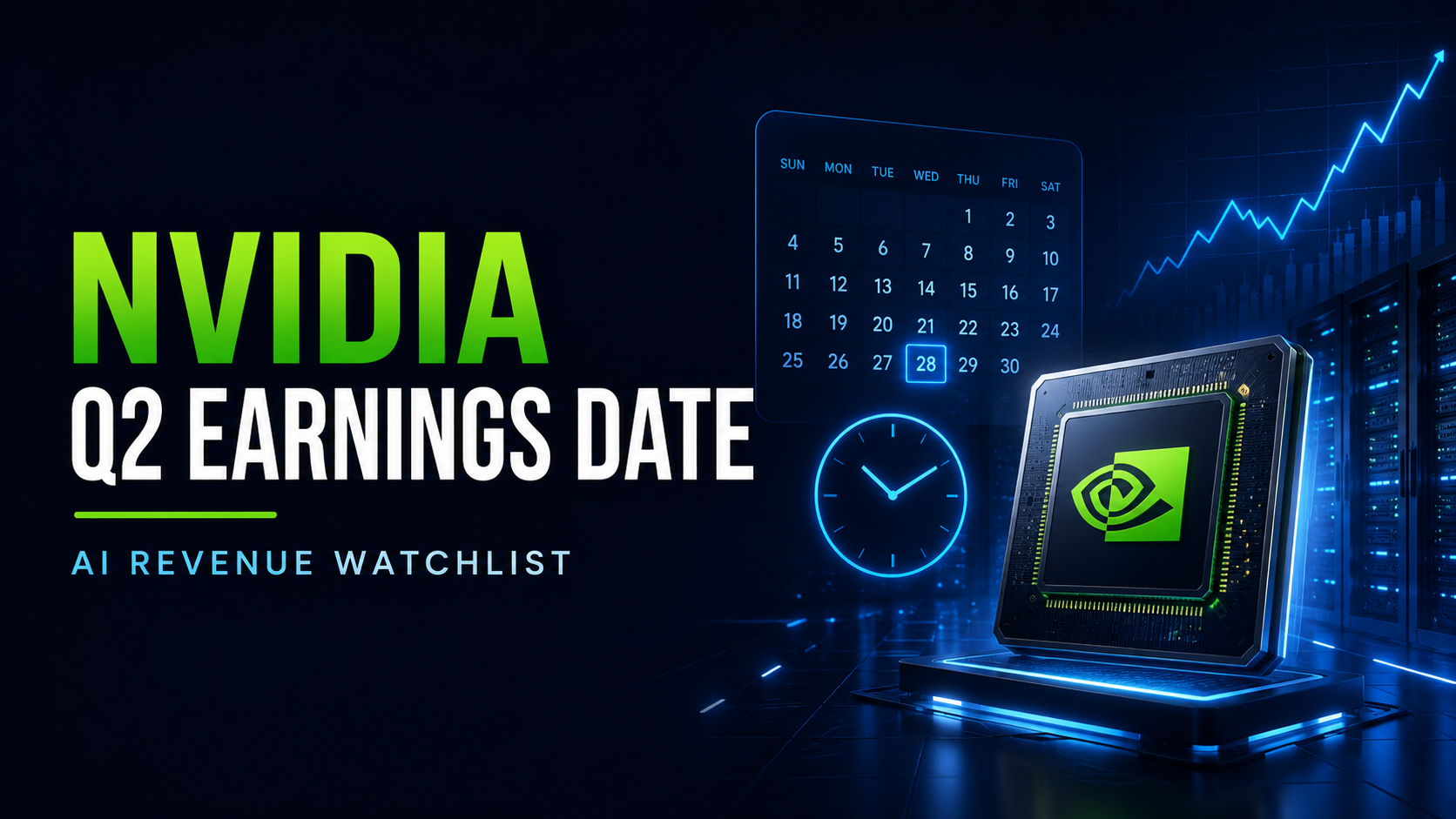
輝達2027財年第二季財報發布日期:預期發布時間、財報電話會議及AI營收觀察名單
Nvidia 2027 財年第 2 季財報預計將成為夏季最重要的 AI 市場事件之一。Wall Street Horizon 顯示,Nvidia 2027 財年第 2 季的下次財報發布日期為 2026 年 8 月 26 日星期三,於市場收盤後公布。
這絕非一次普通的財報發布。Nvidia 自身對 2027 財年第 1 季的展望設下了極高的標準:該公司預估第 2 季營收將達 910 億美元,誤差範圍為正負 2%,且 Non-GAAP 毛利率預計約為 75.0%。Nvidia 亦明確指出,其展望假設不計入來自中國的資料中心運算營收,這使得即將發布的財報能更純粹地檢驗中國以外的 AI 基礎設施需求。
對交易員而言,關鍵問題已不再只是 Nvidia 能否超越市場預期。更重要的問題在於,該公司能否持續將 AI 需求轉化為營收成長與利潤韌性,並提出足夠強勁的前瞻指引,以捍衛市場對 AI 基礎設施的溢價估值。
2026/07/06
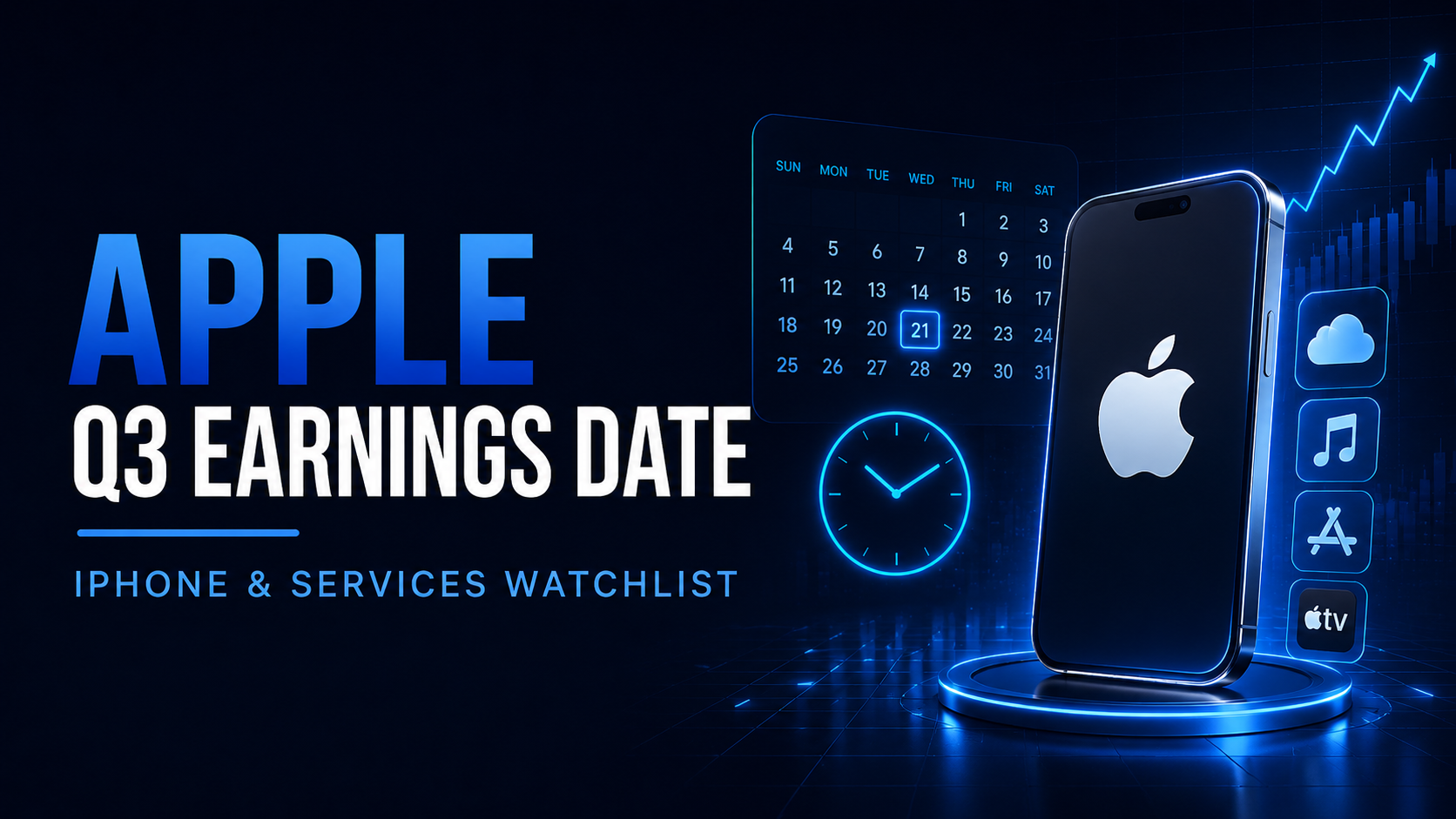
蘋果2026財年第三季財報日期:發布時間、服務營收與iPhone關注清單
蘋果2026財年第三季度的財報將成為一項關鍵考驗,決定市場應繼續將蘋果視為穩定的現金創造複利增長股,還是開始質疑其iPhone週期和服務業務的增長是否足以支撐該股的溢價。蘋果官方投資者頁面顯示,公司2026年第三季度財報電話會議定於2026年7月31日 05:00(UTC +8)舉行。Wall Street Horizon 也將蘋果下一次財報日期確認為2026年7月30日美股盤後,針對2026財年第三季度。這不僅僅是一個常規的財報發布日。蘋果最新一季設定了高基數:在2026財年第二季度,蘋果報告營收達1,112億美元,較去年同期增加了17%,創下3月季度公司總營收、iPhone營收和每股盈餘(EPS)的歷史新高。服務業務營收也創下歷史新高。對交易者而言,關鍵問題不僅僅是蘋果能否超越市場共識。更大的問題在於,服務業務的增長能否繼續維持蘋果的利潤率表現,同時iPhone需求證明硬體換機週期尚未失去動能。
2026/07/06

Mastercard 完成對 BVNK 的收購,金額高達 18 億美元——穩定幣進入全球支付核心
Mastercard 於三月宣布該交易後,已於 2026 年 8 月 3 日(UTC +8)完成對穩定幣基礎設施供應商 BVNK 的收購。
2026/08/04


您可能也會喜歡
熱門
目前熱門備受市場關注的加密貨幣
加密貨幣價格
按交易量計算交易量最大的加密貨幣