

India’s cryptocurrency market is facing an unusual situation: traders are paying significantly more than the global value of dollar-pegged digital assets, especially USDT (Tether), as a shortage of avIndia’s cryptocurrency market is facing an unusual situation: traders are paying significantly more than the global value of dollar-pegged digital assets, especially USDT (Tether), as a shortage of av
Stablecoin Shortage in India: Why Traders Are Paying an 8.5% Premium for Crypto Dollars

India’s cryptocurrency market is facing an unusual situation: traders are paying significantly more than the global value of dollar-pegged digital assets, especially USDT (Tether), as a shortage of available stablecoins pushes prices higher. The premium on USDT in India has reportedly crossed 8.5%, creating a gap between the local crypto market and international dollar rates.
This development has raised questions about why a digital asset designed to maintain a stable value against the US dollar is becoming expensive in a country where it is widely used for crypto trading and liquidity.
1.Why Is USDT Trading at a Premium in India?
Normally, USDT should closely follow the USD/INR exchange rate. However, the price Indian traders pay depends on local supply and demand.
A premium appears when demand for USDT is higher than the available supply.
Recent reports indicate that USDT prices in India moved significantly above the normal dollar-rupee conversion rate. For example, USDT was reported around ₹102.88 while the USD/INR market rate was approximately ₹94.65, creating a premium above 8.5%.
2.The key reasons behind this situation include:
2.1 Reduced Stablecoin Supply
One of the biggest factors is a reduction in USDT inflows into the Indian market.
Indian crypto traders depend heavily on stablecoin liquidity from various channels. When those channels slow down, available USDT becomes limited, and buyers may have to pay higher prices to acquire it.
2.2 Regulatory Pressure and Market Uncertainty
Regulatory developments have also affected market confidence.
Reports have linked the recent supply tightening to increased scrutiny by India’s Enforcement Directorate (ED) over certain crypto-related transactions and cross-border transfers involving digital assets. The uncertainty around compliance has influenced how market participants provide liquidity.
This does not mean all crypto activity has stopped, but tighter oversight can affect the channels through which stablecoins enter and move through the market.
2.3 Demand From Traders
Stablecoins are essential during periods of market activity because traders often move into USDT when they want to reduce exposure to volatile cryptocurrencies.
When many participants try to buy stablecoins at the same time, local prices can rise above the international value.
3.The Connection With Cross-Border Transfers
Stablecoins have also been used by some participants as an alternative method for moving value internationally because blockchain transfers can happen quickly.
However, authorities have raised concerns about whether some crypto-based transfer methods comply with existing foreign exchange and anti-money-laundering rules. This has brought more attention to the role stablecoins play in financial transfers.
4.How Does This Affect Indian Crypto Traders?
For traders, a higher USDT premium increases the cost of entering the crypto market.
For example, if a trader buys USDT at a large premium, they are already paying extra before purchasing Bitcoin, Ethereum, or other digital assets. This can reduce profitability and create differences between Indian crypto prices and global markets.
It can also affect arbitrage opportunities, where traders attempt to profit from price differences between markets.
5.Is This a Problem With USDT Itself?
The premium does not necessarily mean USDT has lost its dollar value.
The issue is mainly related to local market conditions — availability, demand, liquidity, and regulatory factors.
A stablecoin can remain close to one dollar globally while trading at a higher price in a specific country if local demand exceeds supply.
6.What Could Happen Next?
The premium could decrease if stablecoin supply improves or if market conditions stabilize.
However, the episode highlights a broader issue: India’s crypto market still depends heavily on stablecoin liquidity, while regulations around digital assets continue to evolve.
A clearer regulatory framework and stronger market infrastructure could influence how easily traders access digital dollar assets in the future.
7.Conclusion
The 8.5% USDT premium in India is not because the dollar itself suddenly became more expensive. It is the result of a local imbalance between stablecoin demand and supply.
Stablecoins have become a crucial part of the crypto ecosystem, but the recent shortage shows that access to digital dollar liquidity can be affected by regulation, market structure, and investor demand.
For Indian crypto traders, the event serves as a reminder that even assets designed for stability can experience significant price differences depending on where and how they are traded.
Disclaimer:This content is for educational and reference purposes only and does not constitute any investment advice. Digital asset investments carry high risk. Please evaluate carefully and assume full responsibility for your own decisions.
市场机遇
4实时价格 (4)
--
----
USD
4 (4) 实时价格图表
描述:币圈脉动基于 AI 技术与公开信息,第一时间呈现最热代币趋势。如果想了解更多专业解读与深度分析,请访问新手学院。
本页面分享的文章均源自公开平台,仅供参考。该内容不代表 MEXC 的立场或观点。所有版权归 Mubashir 所有。如果您认为任何内容侵犯了第三方的权益,请联系 service@support.mexc.com 以便及时删除。 MEXC 不保证任何内容的准确性、完整性或及时性,且不对基于所提供信息而采取的任何行动负责。本内容不构成财务、法律或其他专业建议,亦不应被解释为 MEXC 的推荐或认可。如需专家见解和深入分析,请造访 MEXC 学院。
4 最新动态
查看更多
三星第二季度利润暴涨19倍,但股价却下跌:为什么AI存储芯片股票面临更高门槛
三星电子近期发布了2026年第二季度的业绩指引,预计营收约为171万亿韩元,营业利润约为89.4万亿韩元——较去年同期实现了惊人的19倍增长。从账面上看,这是迄今为止AI存储周期中释放出的最强劲的利润信号之一。
然而,市场并没有将其视为一个简单的盈利超预期事件来交易。三星股价在韩国股市盘中一度大跌10.1%,收盘下跌6.9%,并拖累了SK海力士、美光和西部数据等同行。向投资者传递的信号响亮而清晰:投资者不再仅仅关注AI存储需求是否强劲。在经历了一轮历史性的板块大涨之后,他们现在开始质疑当前的存储芯片定价、扩张的利润率以及激进的AI资本支出(capex)是否具有可持续性。
2026/07/08
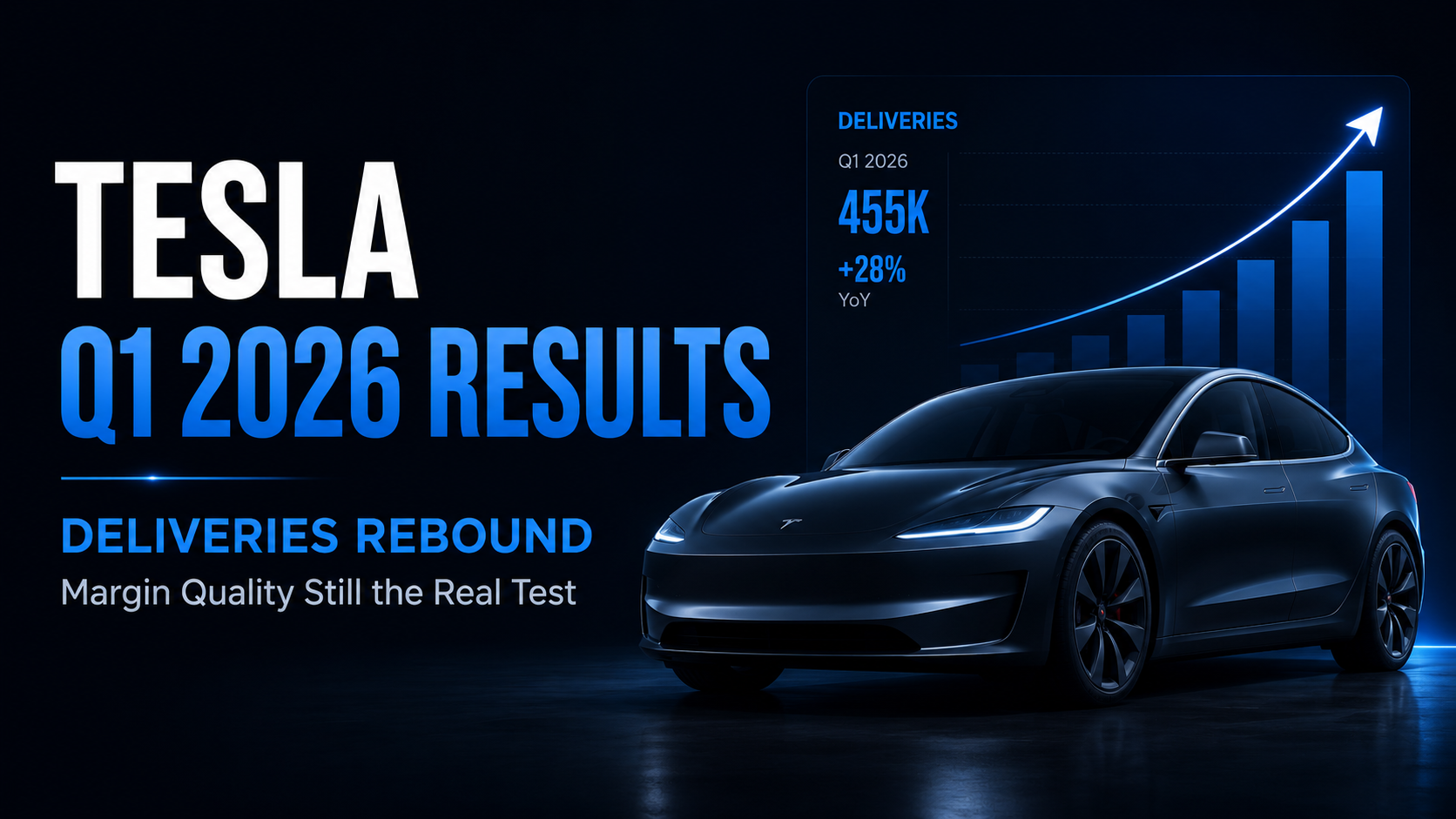
特斯拉2026年第一季度财报回顾:交付量反弹,但利润率质量仍是真正的考验
特斯拉于2026年4月22日美国股市收盘后公布了其2026年第一季度的财务业绩。该公司本季度交付了358,023辆汽车,创造了224亿美元的总营收,并报告归属于普通股股东的GAAP净利润为4.77亿美元。总GAAP毛利率提升至21.1%,而营业利润率达到4.2%。
核心信号不仅在于特斯拉的交付量从去年同期的疲软基数中恢复。更重要的问题是:更高的交付量、FSD相关营收、更低的单车成本以及改善的汽车毛利率,能否重建市场对特斯拉盈利能力的信心。对于寻找下一次TSLA财报日期或关注特斯拉财报的投资者来说,第一季度的表现为第二季度设立了一个关键考验:即销量的增长能否可持续地转化为更高质量的收益。
2026/07/09

苹果 2026 财年第二季度财报回顾:iPhone 营收与服务业务增长维持 EPS 预期
苹果于 2026 年 4 月 30 日发布了 2026 财年第二季度财报,涵盖截至 2026 年 3 月 28 日的季度。总营收达到 1112 亿美元,同比增长 17%,摊薄后每股收益(EPS)增长 22% 至 2.01 美元。苹果表示,该季度创下了公司 3 月份季度的总营收、iPhone 营收和 EPS 纪录,同时服务业务营收也创下历史新高。
这不仅仅是一份常规的硬件周期财报。苹果第二季度的业绩证明,iPhone 需求、服务业务增长以及积极的资本回报计划仍在共同支撑着该公司强大的 EPS 增长故事。对于寻找下一个苹果财报或 AAPL 财报更新的投资者而言,未来的关键问题是,在市场等待更强劲的 AI 和产品周期催化剂之际,苹果能否维持其溢价估值。
2026/07/09


热门
目前热门备受市场关注的加密货币
加密货币价格
按交易量计算交易量最大的加密货币