

Worldcoin AI proxy WLD price target of $5 after 60% weekly surge
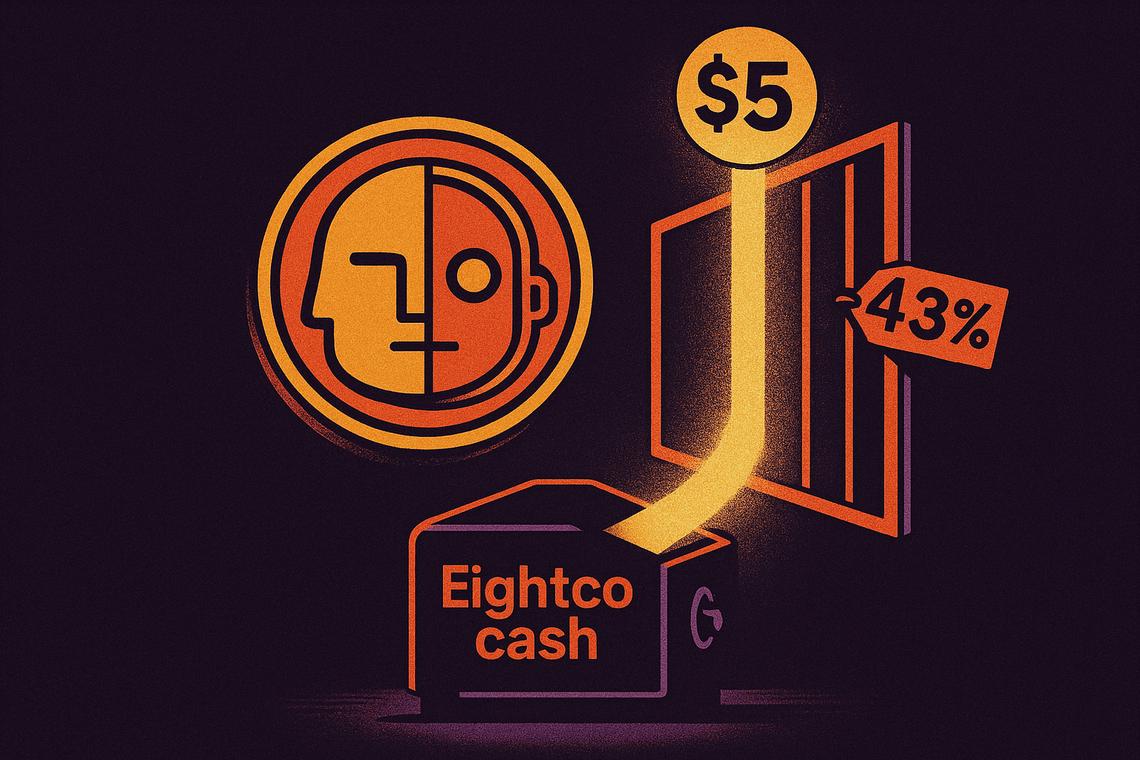
Maelstrom says the Worldcoin AI proxy WLD price target could reach $5 if the right market conditions line up, after WLD jumped 60% in a single week. The move has put Worldcoin back in focus as traders look for ways to gain exposure to the AI theme through crypto.
That rally did not happen in a vacuum. Instead, it came amid a tightening supply picture, a shift in investor thinking about artificial intelligence exposure, and a wave of AI-related public listing activity that is starting to ripple through both equity and digital asset markets.
Why Maelstrom sees Worldcoin as an AI market proxy
Maelstrom researcher Lukas Ruppert argues that crypto investors have largely overlooked one of the few digital assets with a direct connection to the artificial intelligence sector. As AI companies move closer to public markets at historic valuations, he says Worldcoin stands out as a cleaner way to express the theme.
Ruppert put it plainly: “The AI mega IPOs are coming, and markets have overlooked one clean proxy.”
Worldcoin, co-founded by OpenAI chief Sam Altman, operates as a digital identity and financial network designed to distinguish humans from automated systems. That places it at the intersection of crypto and AI infrastructure, and Ruppert says that link is being systematically mispriced.
AI IPO impact on crypto is already showing up
The backdrop matters. OpenAI filed a confidential prospectus on May 22 targeting a September 2026 public debut, with plans to raise $60 billion at a valuation approaching $1 trillion. Anthropic also filed its draft prospectus after a $65 billion funding round. Together, those developments are drawing heavy institutional attention toward AI-linked assets and contributing to capital rotation across markets.
When companies valued in the hundreds of billions prepare to go public, investors often start searching for lower-cost ways to get exposure to the same theme. In practice, that can create inflows into AI-related assets beyond traditional equities.
This is where the comparison becomes stark. WLD’s unlocked market capitalization sits at about $2 billion, which looks modest next to the valuations now surrounding OpenAI and Anthropic. Ruppert highlighted that gap directly, describing WLD as a smaller exposure vehicle relative to the scale of AI equity valuations entering public markets.
Why WLD fell since February before the rebound
Before last week’s rally, WLD had been under steady pressure since February. However, the selling was not just the result of ordinary market weakness.
The pressure intensified after a private token sale conducted outside exchanges. Investors who bought tokens in that placement had an incentive to hedge quickly, and many did so by shorting WLD perpetual futures. As a result, the market faced layered selling pressure: new tokens entered circulation while futures trading pushed prices lower at the same time.
Ruppert described the setup as a “textbook short overhang,” meaning hedged positions can weigh on price action for a period of time. In crypto markets, that pattern is well known after private placements. Still, the overhang is temporary by nature. Once positions are covered and the structural selling fades, the supply dynamic changes.
Eightco WLD token holdings and the coming unlock reduction
Two forces could help support the recovery Maelstrom is anticipating. First, Eightco, a publicly listed company, currently holds about 283 million WLD tokens and roughly $144 million in cash on its balance sheet. That cash position matters because it represents significant potential buying power in a token market where WLD’s entire unlocked capitalization is only about $2 billion.
Ruppert suggested that additional purchases from Eightco could trigger a reflexive move higher. In a market this thin relative to the available cash, concentrated buying from a single institutional holder can have an outsized effect.
- Eightco WLD token holdings: about 283 million tokens
- Eightco cash holdings: roughly $144 million
- WLD token unlock reduction: 43% starting July 24
The second catalyst is structural and dated. Starting July 24, daily token unlocks for WLD will decline by 43%, which should reduce the amount of new supply entering the market each day. That matters because lower issuance can ease the selling pressure that has weighed on WLD since February.
Supply reduction alone does not guarantee a higher price. Even so, when it combines with stronger AI-sector demand and possible institutional accumulation, it removes one of the most persistent headwinds facing the token.
The 60% weekly gain already shows what WLD can do when sentiment changes. As Ruppert noted, WLD does not move often — but when it does, it moves aggressively.
FAQ
What factors contribute to Worldcoin’s potential price target of $5?
Maelstrom’s Lukas Ruppert points to three main factors: WLD’s large valuation discount relative to major AI equity valuations, a scheduled 43% reduction in daily token unlocks starting July 24, and potential buying pressure from Eightco, which holds about 283 million WLD tokens and $144 million in cash.
How does the timing of OpenAI and Anthropic IPOs impact WLD’s valuation?
OpenAI is targeting a September 2026 public listing and aims to raise $60 billion at a near $1 trillion valuation, while Anthropic filed its draft prospectus after a $65 billion funding round. Those developments are driving capital rotation into AI-related assets, and Worldcoin sits in that path as a Sam Altman-linked project.
Why did WLD prices decline since February and what role did short selling play?
WLD prices fell after a private token sale outside exchanges. Investors who received those tokens hedged by shorting WLD perpetual futures, which created layered selling pressure and a “textbook short overhang,” according to Ruppert.
What is the significance of Eightco’s holdings in WLD tokens?
Eightco holds about 283 million WLD tokens and $144 million in cash. If the company uses that cash to buy more WLD, it could create meaningful upward pressure because WLD’s unlocked market capitalization is only around $2 billion.
How will the scheduled reduction in token unlocks affect WLD’s market supply?
Starting July 24, daily WLD token unlocks will fall by 43%, which should reduce the pace of new supply entering the market. That could help ease persistent selling pressure if demand holds steady or rises.


Ayrıca Şunları da Beğenebilirsiniz

Why The Green Bay Packers Must Take The Cleveland Browns Seriously — As Hard As That Might Be

Mutuum Finance (MUTM) Update: V1 Protocol Goes Live, Key Mechanisms Explained
Nedbank taps AI-powered lending to reach underserved South Africans


Popüler Haberler
Daha fazla
