Helium Mobile acquisition leaves HNT network intact
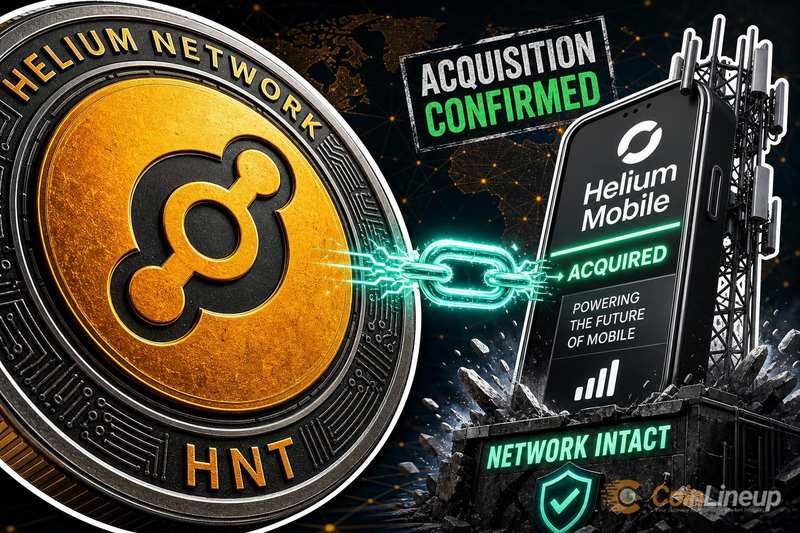
Noble Mobile, the connectivity venture founded by Andrew Yang, has acquired Helium Mobile, but the deal does not alter the underlying Helium Network or its HNT token. The acquisition reshuffles the mobile service business while leaving the decentralized wireless infrastructure untouched.
Key Takeaways
- Network continuity: The Helium Network and HNT token continue operating independently of the mobile business acquisition.
- Separation of entities: Helium Mobile is a consumer-facing wireless service; the HNT network is a decentralized infrastructure layer. The acquisition targets the former, not the latter.
- What to watch: Future announcements from Noble Mobile regarding service changes and any governance proposals that could affect the protocol.
What Noble Mobile acquired, and what it did not
Noble Mobile announced on June 2, 2026 that it has acquired Helium Mobile with the stated goal of bringing affordable connectivity to all Americans. The deal transfers the mobile virtual network operator (MVNO) business, not the Helium Network protocol itself.
Helium Mobile confirmed the transaction on its own blog, framing the move as a continuation of its mission under new ownership. The official Helium Mobile post addressed the transition without signaling any changes to how the broader Helium Network functions.
The distinction matters because the Helium Network is a decentralized wireless infrastructure protocol governed by its own community and token economics. Helium Mobile was one commercial application built on top of that network. Acquiring the application layer does not grant control over the protocol layer.
Why the HNT network operates independently of a mobile business deal
The Helium Network runs on a decentralized model where independent hotspot operators provide wireless coverage and earn HNT rewards. This structure means the network’s operation depends on its participants and protocol rules, not on any single commercial entity using the network.
When a business built on top of a decentralized protocol changes hands, the protocol itself does not change owners. HNT holders retain the same token with the same network mechanics. The acquisition is a corporate transaction, not a protocol upgrade or governance vote.
This structural separation between protocol and application layers is what allows decentralized networks to persist through commercial turbulence. It is the same principle that drives investor interest in projects where foundational cryptographic infrastructure operates independently of the businesses built on top of it.
What HNT holders and Helium users should watch next
The immediate concern for Helium Mobile subscribers is whether Noble Mobile will change pricing, coverage, or service terms. These are customer-facing decisions that the new owner controls and could adjust without any protocol-level changes.
On the protocol side, HNT holders should monitor whether Noble Mobile proposes any Helium Improvement Proposals (HIPs) that could affect network incentives or data credit economics. Any such changes would need to go through the existing governance process.
Investors evaluating how acquisitions reshape crypto project ecosystems may find parallels in discussions around which crypto projects maintain structural resilience through decentralized governance, and in broader debates about how protocol-level technologies preserve independence even as commercial layers consolidate.
Until Noble Mobile signals specific plans for network integration or governance participation, the practical impact on HNT remains a corporate headline rather than a network event.
Disclaimer: This article is for informational purposes only and does not constitute financial or investment advice. Cryptocurrency and digital asset markets carry significant risk. Always do your own research before making decisions.


Ayrıca Şunları da Beğenebilirsiniz

Not a loophole: Singapore AI export controls let China tap US AI legally

Bitcoin, Gold, and U.S. Stocks Dive as Trump Pledges to Hit Iran ‘Extremely Hard’

Q2 Market Insights: Bitcoin regains dominance in risk-averse environment, ETFs remain critical to market structure


Popüler Haberler
Daha fazla