

Stocks rally on renewed AI optimism, oil price declines
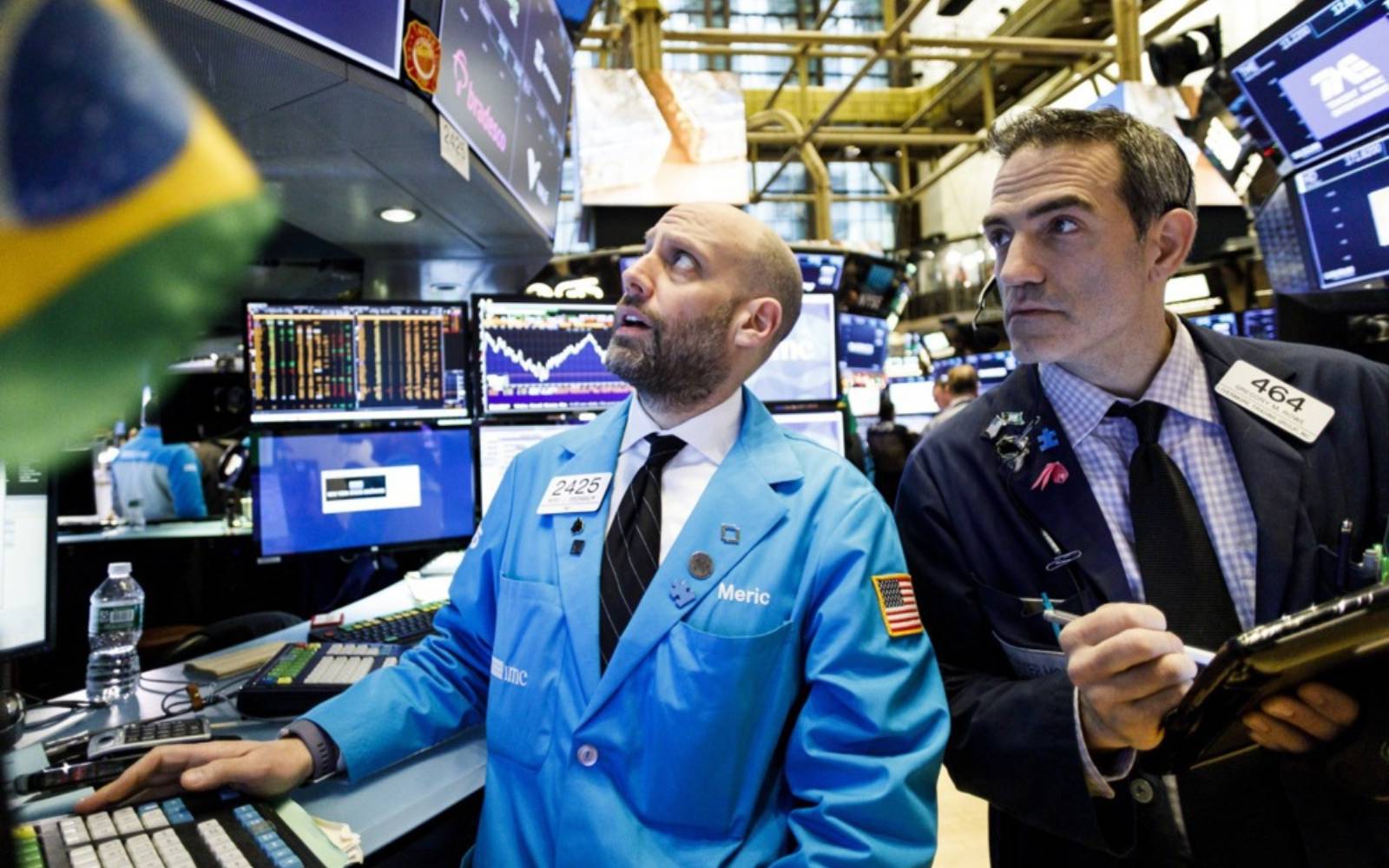 Wall Street stocks opened higher across the board, recovering from heavy tech-led selling this week, following similar gains in Asia and Europe. (EPA Images pic)
LONDON: Stock markets advanced Thursday after bumper earnings from US chip titan Micron helped calm investor worries about promised payoffs from the massive AI investment boom.
The gains were boosted by further declines for oil prices to below levels seen before the US-Iran war, as shipping picks up through the Strait of Hormuz.
Markets have endured a roller-coaster run this week amid concerns about when the eye-watering sums invested in artificial intelligence will reap returns.
Micron Technology helped turn around the mood by reporting fourth-quarter revenue forecasts of US$50 billion, which blew past expectations, and said its entire stock of high-bandwidth memory (HBM) chips for AI computing is sold out for this year.
The report reignited confidence in a sector that has been the key driver of a surge across equity markets this year.
“Worries that revenues wouldn’t keep up with soaring tech valuations have been put to bed, at least for now, by Micron’s results,” said Susannah Streeter, chief investment strategist at Wealth Club.
Wall Street stocks opened higher across the board, recovering from heavy tech-led selling this week, following similar gains in Asia and Europe.
South Korea’s tech-heavy Kospi index rose for a second day, rebounding from a 10% plunge on Tuesday, while Tokyo piled on more than 4% as tech giants Advantest and Tokyo Electron powered higher.
Reports from maritime tracking firms of dozens of ships passing through the Strait of Hormuz fuelled hopes that Gulf oil will be returning to global markets soon.
“More broadly, the oil price decline has eased fears about a stagflationary shock and aggressive rate hikes,” said Deutsche Bank’s Jim Reid, referring to high inflation mixed with elevated unemployment and sluggish economic growth.
Brent North Sea crude, the international benchmark, sank at one point to nearly US$72 a barrel, below the US$72.48 it closed at the day before the US and Israel began bombing Iran on Feb 28.
On the economic front, the Federal Reserve’s preferred measure of US inflation, the personal consumption expenditures index, rose 4.1% in May, in line with expectations.
While a three-year high for the reading, analysts said that with oil prices falling, the figure made it unlikely the Fed would raise interest rates further than already expected in the coming months.
“The lack of an upside surprise allows investors to focus on nearer-term catalysts, including renewed strength in technology stocks on the back of Micron’s powerful earnings-driven reaction,” said Bret Kenwell, investment analyst at eToro.
First-quarter US GDP was also revised up to 2.1% from 1.6% initially.
“Consumers and the broader economy remain on solid footing. That may not soften the Fed’s stance, but it helps ease fears of a stagflationary slowdown,” Kenwell said.


You May Also Like

Nvidia CEO sends serious wake up call to all Americans

Supreme Court Allows Trump Admin To Remove Deportation Protections For Syrians & Haitians

Hormuz traffic sees sharp uptick but not back to normal



