

Did Trump Just Delay Crypto’s Biggest Anti-CBDC Win?
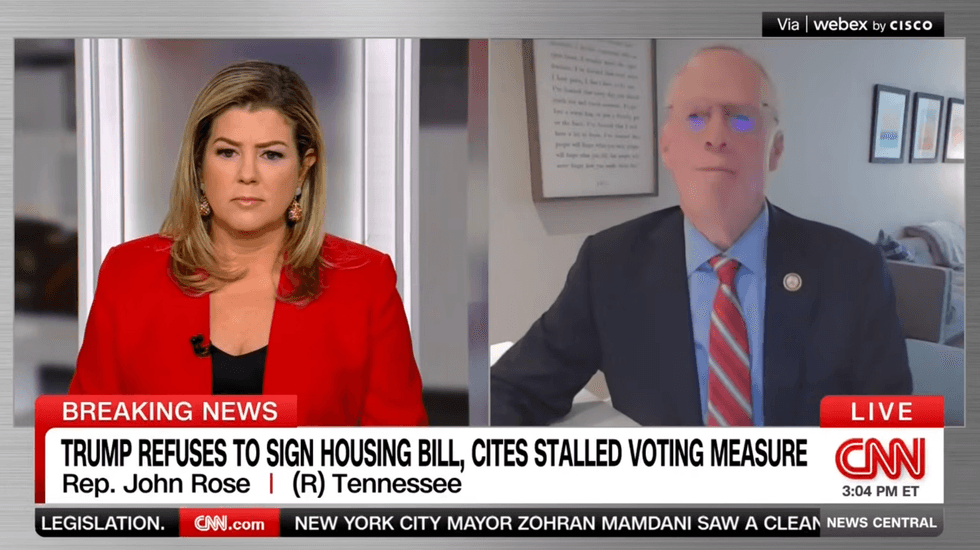
President Donald Trump has delayed signing a bipartisan housing bill that would bar the Federal Reserve from issuing a central bank digital currency until 2030.
Key Points:
Trump Halts Housing Bill Signing
The president canceled Wednesday's ceremony less than two hours before he was set to sign the 21st Century ROAD to Housing Act in the Capitol's Statuary Hall. He said he would withhold approval until lawmakers pass the SAVE America Act, a voter eligibility measure he describes as a national emergency. Beyond the digital dollar clause, the act also bars large investors from buying single-family homes.
The abrupt reversal blindsided Republican leaders who had negotiated the sprawling deal over several months.
Speaker Mike Johnson told reporters that Trump still intends to sign the package within ten days, framing the pause as a brief detour rather than a rejection. Senate leaders counter that they cannot find the votes for the elections bill he wants passed first, and the filibuster blocking it remains in place. The housing measure becomes law regardless if the president takes no action, and its overwhelming margins would let Congress override any veto.
Elizabeth Warren, a chief architect of the legislation alongside Republican Tim Scott, rebuked the delay even as she presses her long-running fight against the crypto industry.
Also Read: Has The Market Missed Tron? TRX Flashes A Rare Bullish Combination
CBDC Ban Hands Stablecoins An Edge
The digital dollar provision shields private, dollar-backed tokens such as USDT (USDT) and USDC (USDC), provided they preserve privacy comparable to that of physical cash. Their issuers gain room to expand, because the law removes the prospect of a competing Federal Reserve product through the end of 2030.
Republicans had pushed the prohibition for years, casting a state-run digital dollar as a tool for government surveillance of everyday personal spending. The carve-out signals that Washington now prefers privately issued dollar tokens over a public alternative. Crypto firms lobbied hard for exactly that result.
The ban builds on an executive order Trump signed in January 2025 against a Fed digital currency, plus an earlier standalone House bill that stalled before reaching his desk. It would lapse at the close of 2030, leaving the next administration to decide whether the United States rejoins the global push toward central bank digital money.
Read Next: Nexo Becomes Title Partner Of 2026 British Grand Prix Charity Ball


You May Also Like

Critical USDT0 Response to Drift Hack Exposes Stark Contrast in Stablecoin Security Protocols
CNN's Brianna Keilar levels Republican's defense of Trump election scheme with fact-check
Kalshi sues Illinois officials over new prediction market law, citing federal conflict



