

WTI Oil Slips Below $70 as Gulf Supply Disruption Fears Recede
BitcoinWorld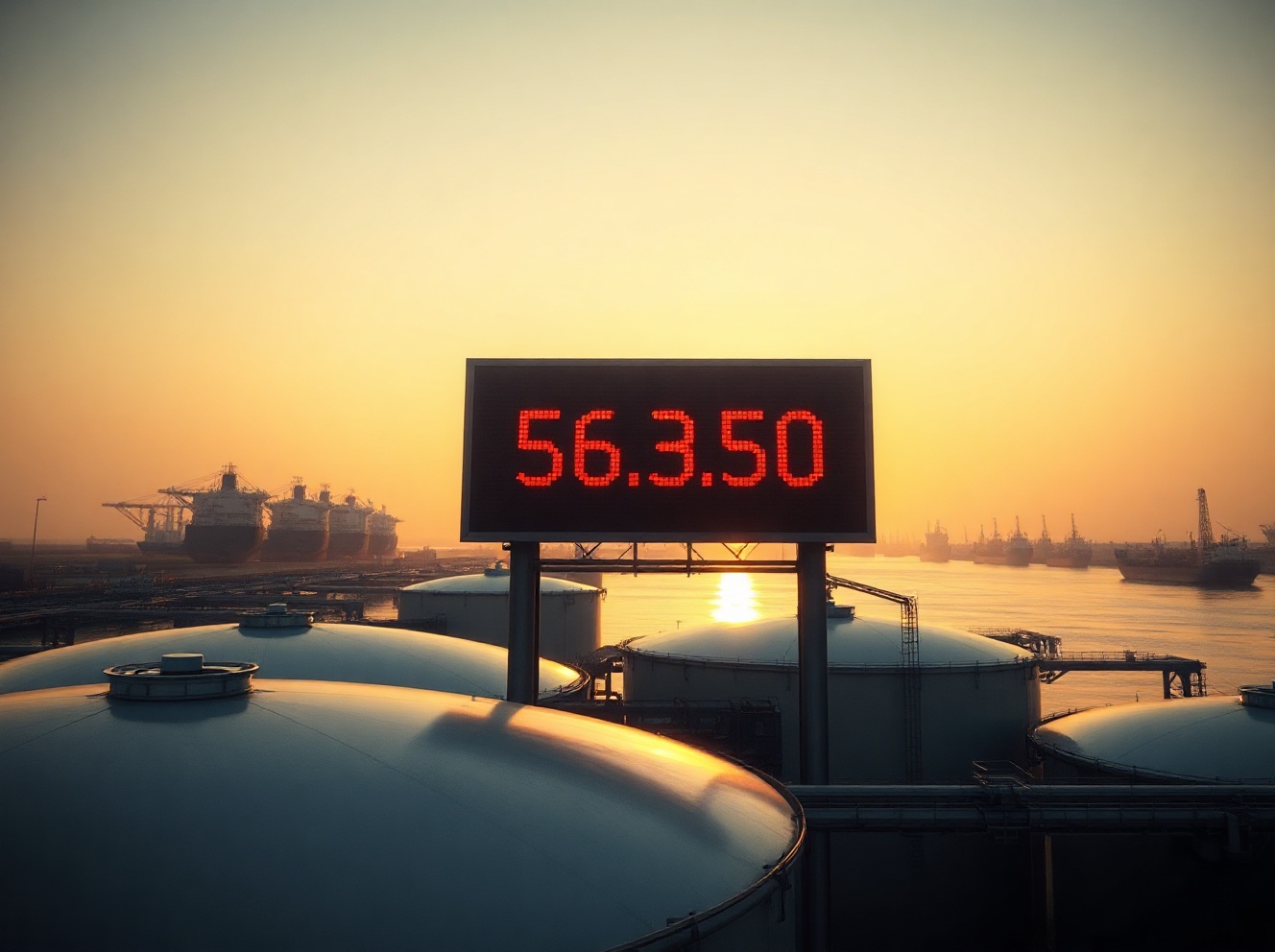
WTI Oil Slips Below $70 as Gulf Supply Disruption Fears Recede
West Texas Intermediate crude oil has fallen below the $70 per barrel threshold, approaching price levels not seen since before the escalation of tensions in the Gulf region. The decline comes as diplomatic efforts and ceasefire discussions have significantly reduced the immediate risk of supply disruptions from one of the world’s most critical energy transit chokepoints.
Market Response to Geopolitical De-escalation
WTI futures dropped sharply in early trading, touching intraday lows near $68.50 before stabilizing. The move reflects a rapid repricing of geopolitical risk premiums that had been baked into crude prices since late last year. Traders are now unwinding long positions built on fears of a broader conflict that could have disrupted tanker traffic through the Strait of Hormuz.
The easing of supply fears coincides with renewed diplomatic contacts between regional powers, brokered by international mediators. While no formal agreement has been announced, the mere prospect of de-escalation has been enough to shift market sentiment. Analysts note that oil markets are highly sensitive to headline risk, and the absence of new confrontations has allowed fundamentals to reassert themselves.
Fundamental Pressures Add to the Downside
Beyond geopolitics, the oil market is contending with persistent demand concerns. Global economic data, particularly from China and Europe, has pointed to slower-than-expected industrial activity and fuel consumption. At the same time, supply from non-OPEC producers, led by the United States, continues to run at elevated levels.
The combination of easing geopolitical tension and soft demand has created a challenging environment for oil bulls. OPEC+ faces renewed pressure to consider deeper production cuts at its next meeting, though internal disagreements among member states complicate any coordinated action.
What This Means for Consumers and Investors
For consumers, lower crude prices could translate into modest relief at the pump, particularly in regions where gasoline taxes and refining margins are relatively stable. However, the pass-through to retail fuel prices is rarely immediate or proportional.
For investors, the move below $70 represents a critical technical level. Many algorithmic trading strategies and commodity funds use this threshold as a trigger for position adjustments. A sustained break below $70 could accelerate selling, while a rebound above that level might attract bargain hunters.
Conclusion
The retreat in WTI oil prices to pre-war levels underscores how quickly geopolitical risk premiums can evaporate when diplomatic channels show signs of progress. While the situation in the Gulf remains fluid and subject to sudden changes, the current market pricing reflects a clear expectation that the worst-case supply disruption scenarios are receding. Traders and analysts will now watch for concrete ceasefire agreements and OPEC+ policy signals to determine the next directional move.
FAQs
Q1: Why did WTI oil fall below $70?
WTI fell below $70 primarily because fears of a major supply disruption in the Gulf region have eased following diplomatic efforts and ceasefire talks. This reduced the geopolitical risk premium that had been supporting prices.
Q2: What does the $70 level mean for oil markets?
The $70 level is a key psychological and technical threshold for WTI crude. A sustained break below it often triggers additional selling from algorithmic traders and commodity funds, while a rebound above it can attract buying interest.
Q3: Will lower oil prices lead to cheaper gasoline?
Lower crude oil prices can eventually lead to lower gasoline prices, but the relationship is not direct or immediate. Refining costs, taxes, distribution margins, and regional competition all affect retail fuel prices. Typically, a sustained drop in crude prices takes several weeks to fully pass through to consumers.
This post WTI Oil Slips Below $70 as Gulf Supply Disruption Fears Recede first appeared on BitcoinWorld.


You May Also Like

Covéa Chooses Shift Technology as Strategic Partner for Fraud and Risk Management
After 'circling the drain' Trump’s DJT stock finally plops in

Black Lake and Nuva Labs Tokenize $25 Million in Institutional Mortgages on Provenance Blockchain



