

STM Stock Analysis 2026: Automotive Chips, STM32, Silicon Carbide and AI Data Centers

Summary
STMicroelectronics entered the second half of 2026 in a recovery phase.
Revenue fell 11.1% to $11.80 billion in 2025, while operating margin declined to 1.5%. Q2 2026 showed a significant rebound: revenue rose 26% year over year to $3.49 billion, gross margin reached 34.8%, and net income was $222 million. ish thesis is that automotive chips, STM32 microcontrollers, silicon carbide, MEMS sensors, AI data centers and LEO satellite programs can restore growth and margins.
The bearish thesis is that much of the recovery may already be priced in while manufacturing underutilization, automotive weakness and execution risk remain material.
STM closed at approximately $53.45 on July 27, 2026 after falling sharply following its Q2 results. nancial Snapshot**
| Metric | Result |
| FY 2025 revenue | $11.80 billion |
| FY 2025 gross margin | 33.9% |
| FY 2025 operating margin | 1.5% |
| FY 2025 net income | $166 million |
| Q2 2026 revenue | $3.49 billion |
| Q2 2026 revenue growth | 26.0% |
| Q2 2026 gross margin | 34.8% |
| Q2 2026 net income | $222 million |
| Q3 2026 revenue guidance midpoint | $3.70 billion |
| Q3 2026 gross-margin guidance midpoint | 37.0% |
idence of a Semiconductor Recovery**
Management reported stronger bookings across all end markets in Q2 and said distribution inventory had fallen below its normal target. The company expected Q3 revenue to grow approximately 6.2% sequentially and 16.2% year over year. gests improving demand visibility. However, Q3 guidance still included approximately 70 basis points of unused-capacity charges, showing that the manufacturing network had not returned to full efficiency. tomotive Business**
Automotive is one of ST’s most important end markets.
The company supplies products for:
- Powertrains;
- Battery systems;
- Electrification;
- Safety;
- Infotainment;
- Connectivity;
- Motor control;
- Vehicle sensing.
Its broad portfolio can increase semiconductor content per vehicle. The risk is that slower vehicle production, weaker electric-vehicle growth or customer inventory corrections can reduce orders. M32 Ecosystem**
STM32 is a large and diverse microcontroller platform with high-performance, mainstream, low-power and wireless families.
The ecosystem can create customer retention because product development depends on:
- Software libraries;
- Development tools;
- Security;
- Real-time performance;
- Certification;
- Engineering familiarity.
Edge AI provides an additional opportunity as more inference moves from centralized cloud systems to devices and industrial equipment. licon Carbide Outlook**
ST’s SiC products target electric vehicles, charging infrastructure, industrial equipment and renewable energy.
SiC can improve efficiency and power density, but the investment case depends on:
- EV production;
- Customer design wins;
- Pricing;
- Wafer yields;
- Vertical integration;
- Competition.
The company’s extensive SiC portfolio is a strategic asset, but lower EV demand or oversupply could delay expected returns. MS Acquisition**
The NXP MEMS acquisition adds automotive and industrial sensor products, customers and intellectual property.
ST paid $900 million upfront, with another $50 million linked to technical milestones. It said the acquired business generated approximately $300 million in 2024 revenue and would be accretive to earnings from completion. isition may strengthen ST’s sensor platform, but integration and customer-retention risks remain.
AI Data Centers
AI data centers emerged as a major new growth narrative in 2026.
ST expects to participate through:
- Power delivery;
- Optical connectivity;
- Mixed-signal components;
- Infrastructure microcontrollers;
- Analog and power products.
Management raised expected data-center revenue to above $1 billion in 2026 and well above $2 billion in 2027 if current demand and programs continue. resents potential diversification away from weaker cyclical markets, but forecasts can change if hyperscaler investment slows or customers redesign systems.
LEO Satellite Communications
Management expects satellite programs to contribute to stronger Q4 growth.
The opportunity may include:
- RF devices;
- Optical communication;
- Power management;
- Control systems;
- High-reliability chips.
ST has presented the LEO opportunity to investors, but revenue concentration, customer timing and launch schedules can create volatility. nufacturing and Capital Expenditure**
ST’s IDM model requires high capital spending.
The company invested $1.79 billion in net capital expenditure during 2025 and planned $2.0 billion to $2.2 billion for 2026. stment supports:
- 300mm manufacturing;
- Silicon-carbide capacity;
- Process development;
- Supply-chain resilience.
However, excess capacity can reduce margins when demand weakens.
Dividend and Shareholder Returns
ST approved a $0.36 annual dividend, equal to four quarterly payments of $0.09. At a hypothetical $53.45 share price, the indicated cash yield is below 1%, before taxes. The dividend is therefore a secondary part of the investment thesis. y Did STM Fall After Q2 Results?**
STM fell approximately 18.7% on July 23 even though Q2 revenue and adjusted earnings exceeded expectations. Market reporting attributed the decline largely to Q3 revenue guidance coming below the prevailing analyst estimate. tion demonstrates that a company can deliver strong year-over-year growth while its share price falls if future guidance does not meet elevated expectations.
Bull, Base and Bear Cases
| Scenario | Main assumptions |
| Bull | AI and satellite revenue accelerates, automotive recovers and margins expand |
| Base | Revenue grows gradually while manufacturing utilization improves |
| Bear | AI expectations disappoint, automotive remains weak and capacity charges persist |
Key Risks
- Semiconductor-cycle reversal;
- Automotive weakness;
- SiC pricing pressure;
- AI customer concentration;
- MEMS integration risk;
- Capital-intensity and unused-capacity charges;
- Currency movements;
- Competition;
- Elevated market expectations.
What This Means for STMON
STMON should generally respond to the same STM fundamentals.
STMON traders must also monitor:
- MEXC liquidity;
- USDT;
- Ondo backing;
- Token premiums and discounts;
- Blockchain availability.
The live market is available at STMON/USDT.
FAQ
Is STMicroelectronics recovering?
Q2 2026 revenue and profitability improved materially, but the durability of the recovery remains uncertain.
Is STM an AI stock?
It has meaningful AI infrastructure exposure but does not produce the primary training GPUs.
What is STM’s largest opportunity?
Automotive, STM32, power semiconductors and AI infrastructure are all important.
What is the biggest risk?
A renewed downturn combined with high fixed manufacturing costs could pressure margins.
Why did STM fall after Q2 earnings?
Future guidance did not meet elevated market expectations despite strong reported growth. sk Disclaimer**
This analysis is based on information available through July 29, 2026 and is not a recommendation to buy or sell.
説明:暗号資産パルスは、AIと公開情報源を活用し、最新のトークントレンドを瞬時にお届けします。専門家の洞察と詳細な分析については、MEXC 学ぶ をご覧ください。
このページで共有されている記事は公開プラットフォームから収集したものであり、参考情報としてのみ提供されています。MEXCの立場や見解を代表するものではありません。すべての権利は Sarah Chen に帰属します。第三者の権利を侵害するコンテンツがあると思われる場合は、service@support.mexc.com までご連絡いただければ速やかに削除いたします。MEXCはいかなるコンテンツの正確性、完全性、適時性も保証せず、提供された情報に基づいて取られたいかなる行動についても責任を負いません。本コンテンツは、金融、法律、またはその他の専門的なアドバイスを構成するものではなく、MEXCによる推奨または支持として解釈されるべきものでもありません。専門家の洞察と詳細な分析については、MEXC 学ぶ をご覧ください。
Gensyn についてもっと知る
もっと見る
OKLO 株価予測 2026–2030:Aurora、Meta、AI電力需要とOKLOONの見通し
OkloとMetaの核融合取引を解説:1.2 GWのAIデータセンター電力プロジェクト
Oklo(NYSE:OKLO)株式とは?オーロラ原子力発電、AIデータセンター、燃料戦略と成長の機会
Gensyn の最新情報
もっと見る
MEXC オンチェーン日報:Robinhood Chainの日次DEX取引量が5億6,000万ドルを突破
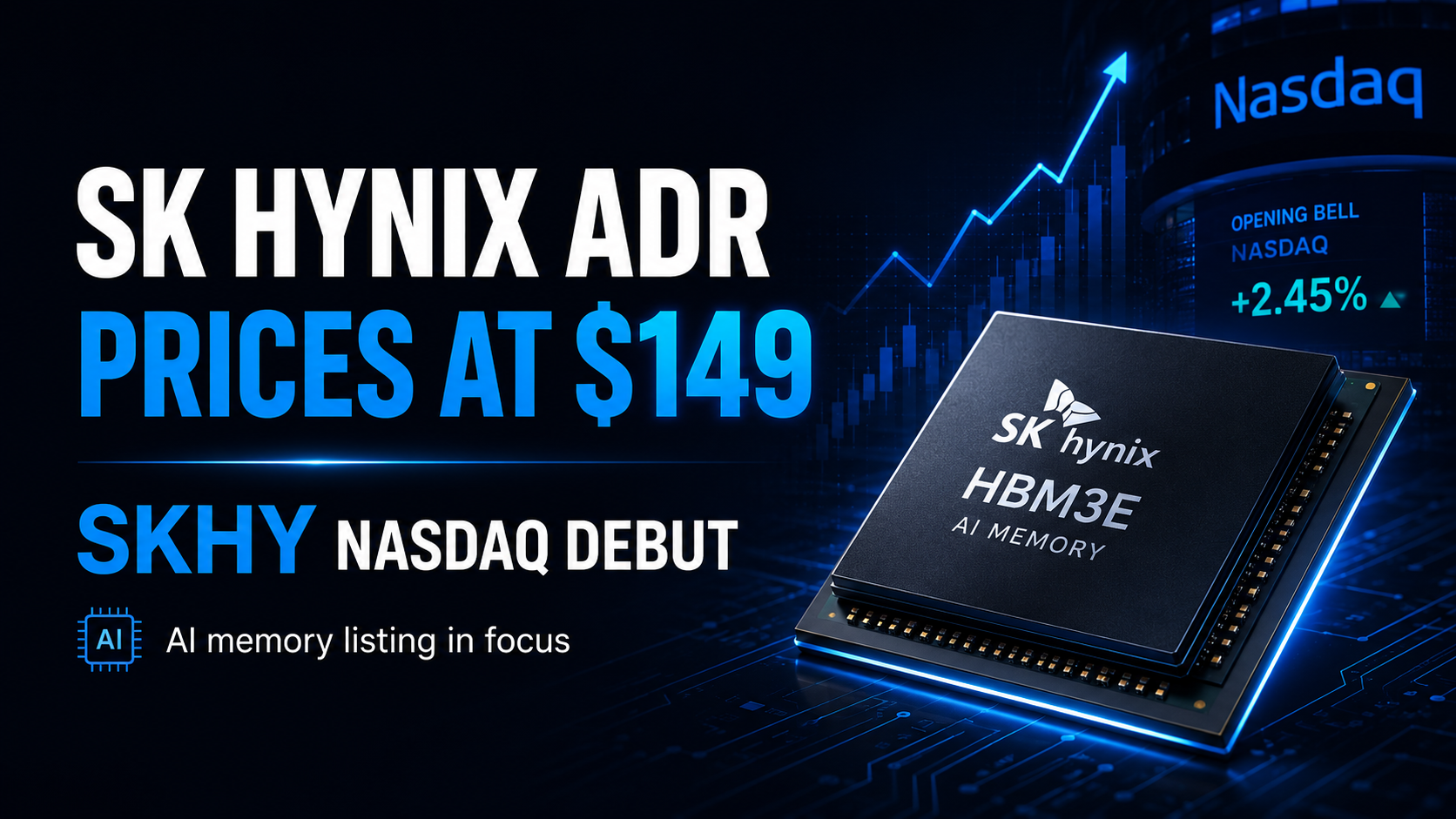
SKハイニックス、ADRを149ドルに設定、SKHYのナスダックデビュー迫る

AI jailbreak新手法、攻撃文を推論として扱う脆弱性
ホット
現在、市場で大きな注目を集めているトレンドの暗号資産
暗号資産価格
取引高が最も多い暗号資産