

SYND Futures Trading: Risks and Rewards

Introduction to SYND Futures Trading
Syndicate (SYND) futures contracts allow traders to buy or sell SYND at a predetermined price at a future date without owning the actual tokens. Unlike spot trading, futures involve speculating on Syndicate price movements using contracts that track the asset's value. These contracts utilize leverage options from 1-400x on MEXC and cash settlement at expiration or liquidation.
The popularity of Syndicate (SYND) derivatives has grown significantly since 2023, with trading volumes often exceeding spot markets by 2-3 times. This growth stems from increased institutional participation and retail traders seeking amplified returns through platforms offering various contract types like perpetual futures.
Key Benefits of Trading SYND Futures
- Substantial leverage allows traders to control large Syndicate positions with minimal capital. For example, with 20x leverage, a trader could control $20,000 worth of SYND with just $1,000, potentially multiplying returns on favorable market movements.
- Unlike spot trading, SYND futures enable traders to profit in both bull and bear markets by going long or short depending on price expectations. This flexibility is valuable in volatile cryptocurrency markets, allowing traders to capitalize on downward movements without selling actual Syndicate holdings.
- Additionally, Syndicate futures markets typically offer superior liquidity compared to spot markets, with tighter spreads and reduced slippage, making them suitable for various trading strategies and portfolio hedging.
Understanding the Risks of SYND Futures Trading
- While leverage can amplify profits, it equally magnifies losses. Using 50x leverage means a mere 2% adverse move could result in complete position liquidation. This makes risk management critical when trading volatile assets like Syndicate (SYND).
- During extreme volatility, traders face heightened liquidation risks as rapid price changes can trigger automatic position closures. These events can be particularly devastating during cascading liquidations, which can cause exaggerated price movements.
- For longer positions, funding rates represent an important consideration affecting profitability. These periodic payments between long and short holders (typically every 8 hours) can significantly affect overall costs depending on market sentiment.
Advanced Trading Strategies for SYND Futures
- Experienced traders employ strategies like basis trading to profit from temporary discrepancies between Syndicate futures and spot prices. When SYND futures trade at a premium or discount to spot, traders can take opposing positions in both markets to capture the spread as it converges.
- For Syndicate investors with spot holdings, strategic hedging with futures provides protection during uncertain markets. By establishing short futures positions, investors can neutralize downside risk without selling their actual Syndicate holdings—particularly valuable for avoiding taxable events.
- Successful trading ultimately depends on robust risk management, including appropriate position sizing (typically 1-5% of account), stop-loss orders, and careful leverage monitoring to avoid excessive exposure.
How to Start Trading SYND Futures on MEXC
Step 1: Register for a MEXC account and complete verification procedures
Step 2: Navigate to the 'Futures' section and select Syndicate (SYND) contracts
Step 3: Transfer funds from your spot wallet to your futures account
Step 4: Choose between USDT-margined or coin-margined Syndicate contracts
Step 5: Select your preferred leverage (1-400x based on risk tolerance)
Step 6: Place your order (market, limit, or conditional) specifying direction and size
Step 7: Implement risk management using stop-loss, take-profit, and trailing stop tools
Conclusion
Syndicate futures trading offers enhanced returns, market flexibility, and hedging opportunities alongside substantial risks that require careful management. MEXC provides a user-friendly yet sophisticated platform with competitive fees and comprehensive tools for SYND futures trading, suitable for both new and experienced traders looking to expand beyond Syndicate spot trading.
The articles shared on this page are sourced from public platforms and are provided for reference only. They do not represent the position or views of MEXC. All rights belong to MEXC. If you believe any content infringes upon the rights of a third party, please contact service@support.mexc.com for prompt removal. MEXC does not guarantee the accuracy, completeness, or timeliness of any content and is not responsible for any actions taken based on the information provided. The content does not constitute financial, legal, or other professional advice, nor should it be interpreted as a recommendation or endorsement by MEXC. For expert insights and in-depth analysis, visit MEXC Learn.
Learn More About NEAR
View More
Rate Hike Lands, BTC Hits 8-Month High — Bad News Priced In or a Short-Squeeze Rally? | MEXC Alpha Trader Weekly Research

MEXC On-Chain Daily Report: SoFi Uses Stablecoin Settlement for Mastercard Transactions, Annualized Volume Expected to Exceed $25 Billion

Nvidia Stock Price Prediction: Is the AI Boom Now Eating Nvidia's Own Profit?
Latest Updates on NEAR
View More
SpaceX Options Surge: Turning IPO Momentum Into a Volatility Test
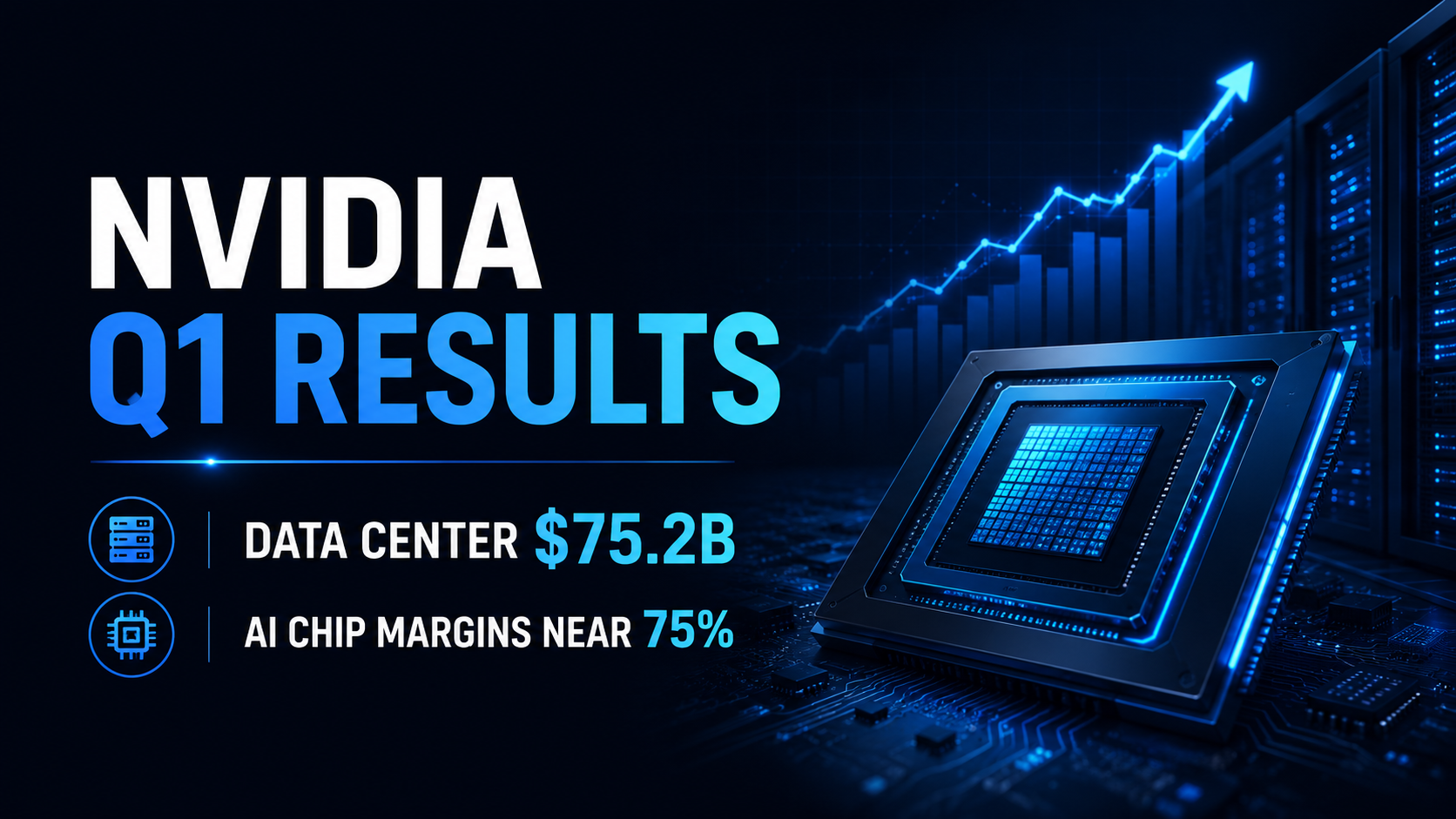
Nvidia FY2027 Q1 Earnings Review: Data Center Revenue Hits $75.2B as AI Chip Margins Hold Near 75%

Miden USDCx Brings Private Stablecoin Payments Onchain


You May Also Like
HOT
Currently trending cryptocurrencies that are gaining significant market attention
Crypto Prices
The cryptocurrencies with the highest trading volume
Newly Added
Recently listed cryptocurrencies that are available for trading