Phu Quoc Travel Guide 2026: Things to Do + Tips
A four-night beach reset that’s closer and cheaper than Bali
Phu Quoc is Vietnam’s biggest island, just 1 hour 45 minutes from Changi, and one of the few places you can land visa-free for 30 days. The draw: powder-sand beaches, a record-breaking cable car and seafood for a few dollars. The catch: a few glossy, oddly empty “showpiece” towns worth knowing about before you go.
TLDR: Phu Quoc at a Glance
| Quick answer | Detail |
|---|---|
| Getting there | Direct from Changi, about 1h 45min (Scoot, VietJet; Sun PhuQuoc Airways from 25 Jul 2026) |
| Visa | Visa-free for 30 days if you fly in direct; no e-visa needed to stay on the island |
| Best time | November to April (dry, sunny); skip the May–October rains |
| How long | 3 to 4 nights covers the highlights without rushing |
| Daily budget | Comfortable on S$60–100 per person a day; local meals run S$3–6 |
| Don’t miss | Hon Thom cable car, Sao Beach, Duong Dong Night Market, An Thoi island-hopping |
SGD equivalents in this guide are based on ~20,600 VND = S$1.
Table of Contents
- Is Phu Quoc worth it for a Singapore trip?
- How to get to Phu Quoc from Singapore
- Best time to visit Phu Quoc
- How many days do you need in Phu Quoc?
- Best things to do in Phu Quoc
- Best beaches in Phu Quoc
- Where to eat and the night markets
- Phu Quoc with kids
- Where to stay in Phu Quoc
- Is Phu Quoc safe, and how much does it cost?
- Phu Quoc FAQs
Is Phu Quoc Worth It for a Singapore Trip?
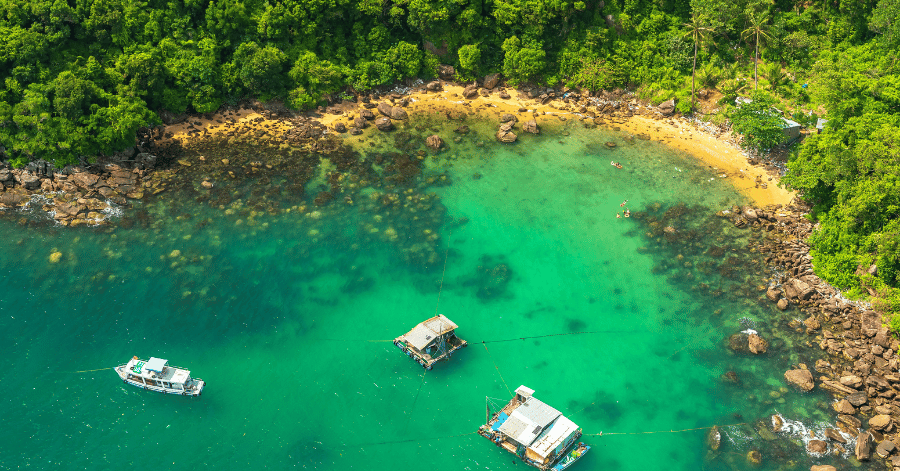
Yes, if you go in knowing what it is. It’s a fast, cheap beach holiday with beautiful sand and water, wrapped around some over-built tourist zones that can feel hollow. The beaches in the south, the island-hopping, the food and the cable car are the real draw. The Instagram-famous European-style developments are the part that surprises people.
Two of the most-watched Phu Quoc videos online are built around the same reveal. You walk into Sunset Town or Grand World expecting a buzzing little Amalfi-by-the-sea. During the day, you find pretty, almost completely empty streets.
Investment poured in faster than the tourists did, so a lot of it still sits half-occupied. It photographs like a dream and feels a little like a film set after everyone has gone home.
None of that should put you off. It just means setting your expectations right. Come for the coastline, the seafood, and the day trips. Treat the developments as a couple of hours of photos and an evening show, and base yourself where the island actually lives.
For a Singapore traveller weighing it against the usual suspects, this is roughly how they compare:
| Island | Flight from SG | Vibe | Best for |
|---|---|---|---|
| Phu Quoc | ~1h 45min direct | Quiet beaches, cheap, developing fast | Value beach reset, families, first-timers |
| Phuket | ~1h 50min direct | Busy, polished, big nightlife | Nightlife, established resorts |
| Bali | ~2h 40min direct | Culture, surf, café scene | Longer trips, surf, variety |
| Da Nang | ~2h 50min direct | Beach + city + heritage nearby | Mixing beach with Hoi An and culture |
 Related Guide: Want to pair the island with a mainland leg? Our 13 Best Things to Do in Da Nang maps out central Vietnam’s beach-and-heritage combo.
How to Get to Phu Quoc From Singapore
Fly direct. It’s the whole appeal. Scoot and VietJet run non-stop from Changi to Phu Quoc International Airport in about 1 hour 45 minutes. Full-service carrier Sun PhuQuoc Airways joins the route from 25 July 2026. Book ahead and one-way fares start from around S$130, with promo seats dipping lower.
The big thing to get right is the visa. Phu Quoc has a special exemption: any nationality can stay up to 30 days without one.
To qualify, you fly or sail in directly from outside Vietnam, with a passport valid for at least six months. You’ll also want proof of an onward flight out of Phu Quoc within 30 days.
The catch that trips people up: the exemption only covers Phu Quoc itself. The moment you add Ho Chi Minh City, Da Nang, or anywhere on the mainland, you need a proper Vietnam e-visa instead.
So if your trip is island-only, you’re sorted with just your passport and your return ticket. Tacking on a mainland stop? Sort the e-visa before you fly.
Related Guide: Landing and want maps, Grab and translation working from the gate? Our Best Travel eSIMs guide covers staying connected the moment you touch down.
Best Time to Visit Phu Quoc
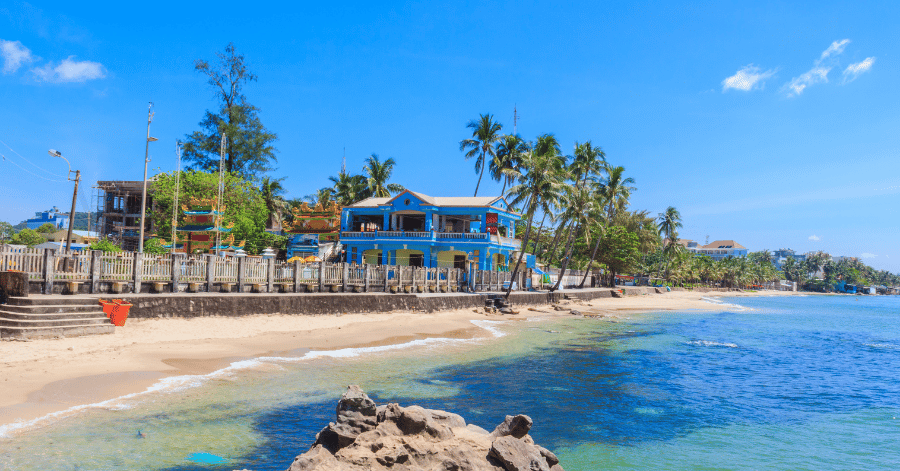
Go between November and April. That’s the dry season: sunny, calm seas, the clearest water for snorkelling and the best window for the beaches and boat trips that make the island worth the flight.
The flip side is the wet season, roughly May to October, when afternoon downpours and choppier water are common, and some beaches collect washed-up debris.
April and late October are the shoulder months: fewer crowds, mostly decent weather, and lower prices, with the trade-off of the odd rainy stretch. One traveller who arrived in early October had three soggy weeks before it cleared up. If you’re going early or late in the season, build in a flexible day or two.
For families tied to school holidays, the year-end break (December) lands squarely in peak season, so book flights and resorts early, because that’s when both fill up.
Related Guide: Bolting on more of the country? Start your plan with our Things to Do in Hoi An for the lantern town a short hop up the coast.
How Many Days Do You Need in Phu Quoc?
Three to four nights is the sweet spot. That covers a full beach day, an An Thoi boat trip, the cable car and one theme park, plus a night-market dinner. Enough to see the island without sprinting through a checklist.
A rough shape, by nights:
- 2 nights: A quick beach reset. Pick one southern beach, do the cable car and a night market, and that’s a relaxing long weekend.
- 3 nights: Add An Thoi island-hopping and either VinWonders or Vinpearl Safari.
- 4 nights: Throw in the north (Starfish Beach, fishing villages, pepper and fish-sauce stops) and a slow day doing nothing.
- 5+ nights: Only if you really want to switch off and do very little, or you’re working remotely. The island rewards a slow pace once you’ve ticked the big sights.
If you want more than a beach lie-down, this is the point where a lot of people pair Phu Quoc with a few days on the mainland.
Related Guide: Stretching the trip into a city leg? Our Things to Do in Ho Chi Minh City covers the natural gateway in and out.
Best Things to Do in Phu Quoc
The island packs in far more than beaches: a record-breaking cable car, a wildlife safari, fishing villages, waterfalls and a sobering war-era museum. Here are the spots worth your time, roughly south to north.
Ride the Hon Thom cable car to Sun World
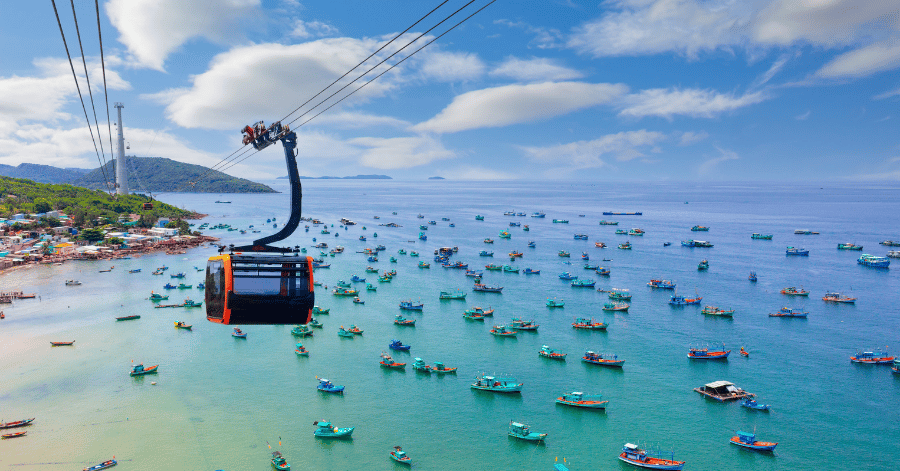
This is the sight most people book before anything else. The cable car runs nearly 8km out to Hon Thom island, a Guinness World Record for the longest non-stop three-rope sea crossing. The 15-minute glide over wooden fishing boats and scattered islets is the best view of the archipelago you’ll get without a boat.
At the far end, Sun World Hon Thom packs in Aquatopia water park (around 20 slides) and a few quiet swimming beaches.
Best for a half-day that pairs the signature photo with somewhere to actually swim. Families get the most from it; if water parks leave you cold, ride out for the view and skip the rest.
Go island-hopping in the An Thoi archipelago
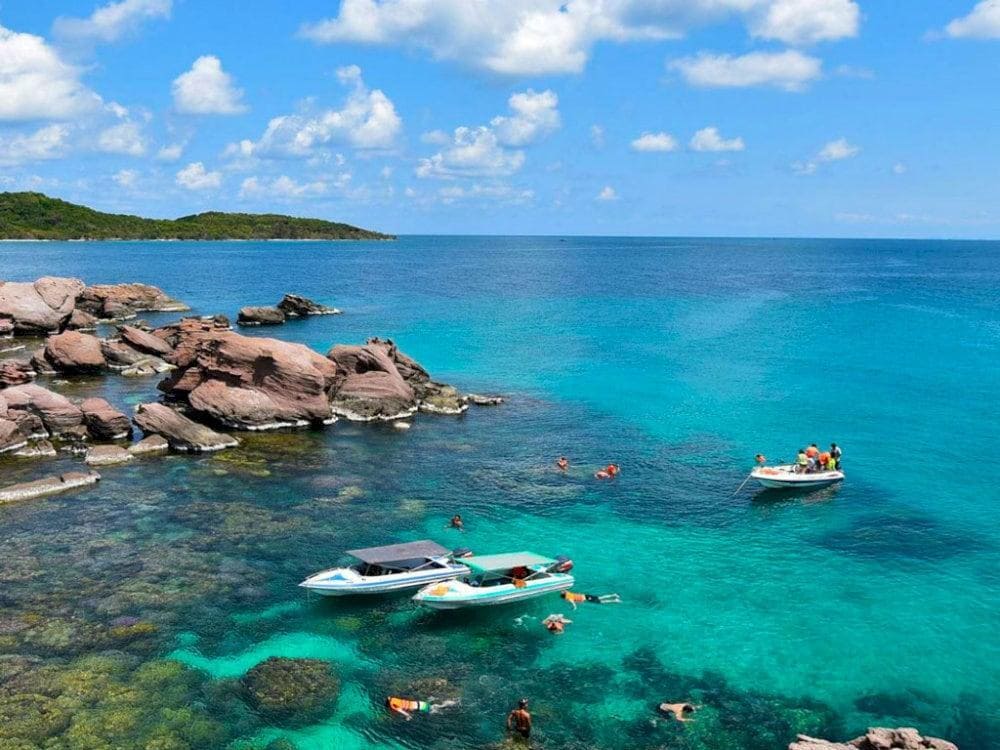
Image Credits: Vietnam Airlines
Off the southern tip lies a scatter of small islands ringed by the clearest water around Phu Quoc. A standard day boat strings together a few snorkelling stops over coral, a couple of island landings, and a seafood lunch cooked on deck. Operators like John’s Tours run full days on proper boats with shade and deck space, often folding in a cable-car stop. The popular routes do get busy in peak season.
Best for anyone who wants to understand why people rave about the water here. Build it in as your one big day trip, with a slow beach day either side so you’re not boating two days running.
See the Kiss of the Sea show in Sunset Town
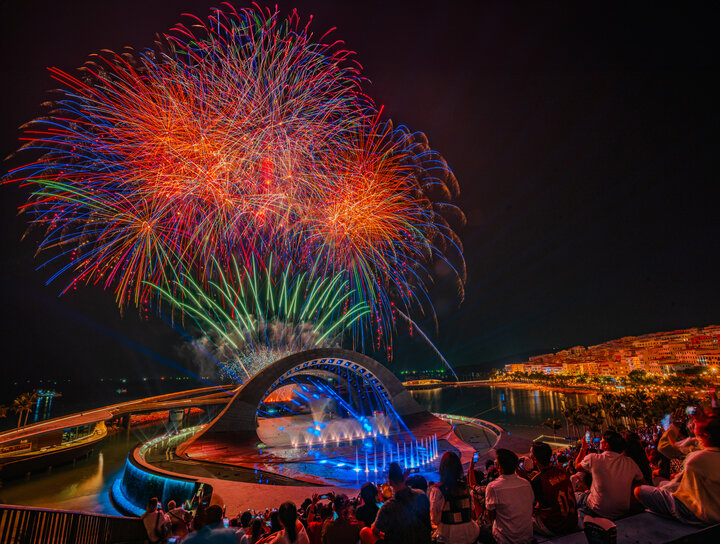
Image Credits: visitphuquoc
Built to look like a Mediterranean fishing town, Sunset Town is all cobbled lanes, pastel facades and sea-cliff archways on the island’s southwest tip. By day it’s eerily quiet, more film set than town, so there’s little reason to arrive before late afternoon. Come for golden hour and stay for Kiss of the Sea, the nightly open-air show of fireworks, fountains, drones and projections, watched best from the Kiss Bridge.
Best for an evening, not a daytime. Roll in for sunset and the show, and spend the daylight hours on a beach instead.
Wander Grand World and its Venice canal
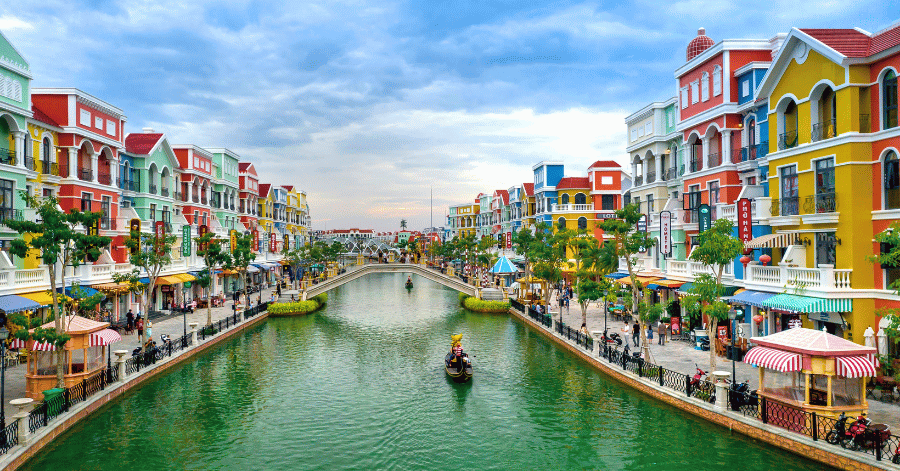
Vietnam’s “mini Venice”, Grand World is a colourful complex of canals, shops and shows in the north. Hop a gondola water-taxi down the canal, then cross to the free Urban Park sculpture gardens and Tinh Hoa Vietnam, an open-air cultural showcase.
It’s livelier than Sunset Town after dark when the shows run, though daytime is still on the quiet side. It works best as an evening out for families, or anyone basing themselves up north.
Spend a day at VinWonders

Image Credits: VinWonders
VinWonders is Vietnam’s largest theme park: roller coasters, water slides, an aquarium tunnel and themed zones that fill a full day. Adult entry is 950,000 VND (~S$46), with a buggy to ferry you between zones. Pair it with the safari next door if you’ve got the legs for both. It’s a family day out first and foremost, and overkill if theme parks aren’t your reason for coming.
Meet the animals at Vinpearl Safari
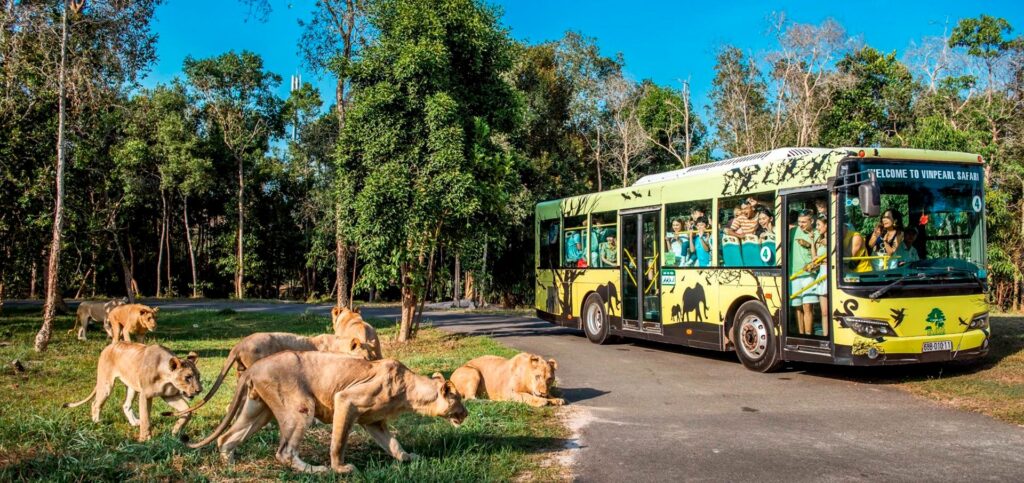
Image Credits: VinWonders
Right beside VinWonders, this open-range safari lets giraffes, zebras, rhinos and lions roam while you ride through by bus. It’s home to 150-plus species, and you can hand-feed giraffes and elephants. The calmer half of a VinWonders combo day, and the better pick if you’re travelling with younger kids.
Catch sunset at Dinh Cau Temple
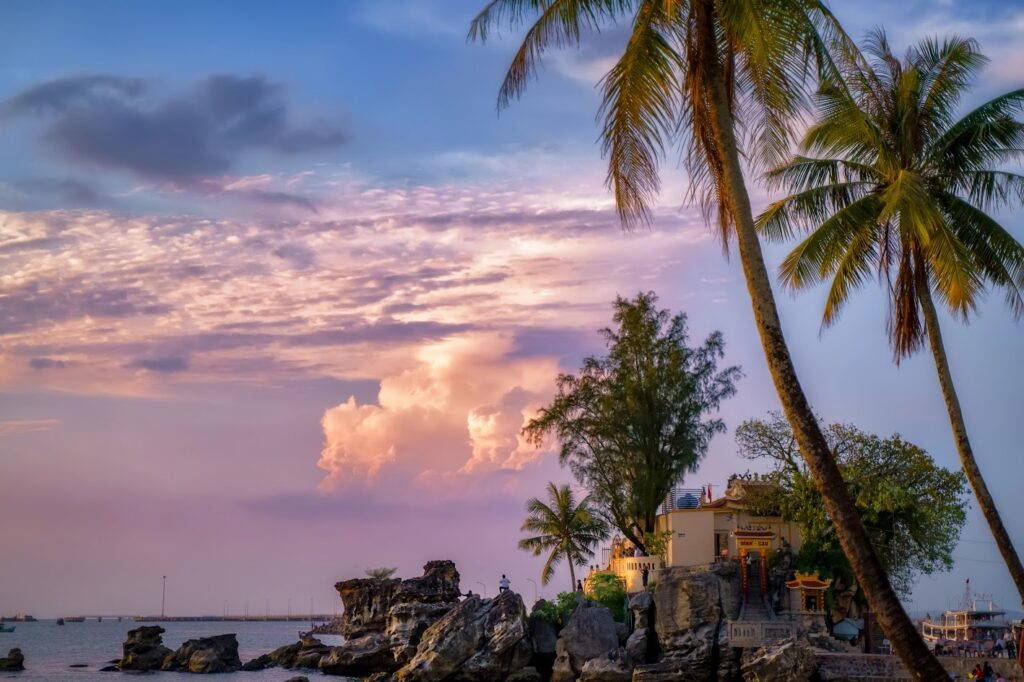 Phu Quoc island in Vietnam at sunset. Dinh Cau temple
Image Credits: VietJetAir
This little shrine has perched on a rock at the mouth of the Duong Dong river for some 300 years. Fishermen come to pray for safe seas, and the steps up deliver one of the easiest sunset views on the island. It’s a quick, free stop you can fold into an evening in town before the night market.
Step into the past at Coconut Prison
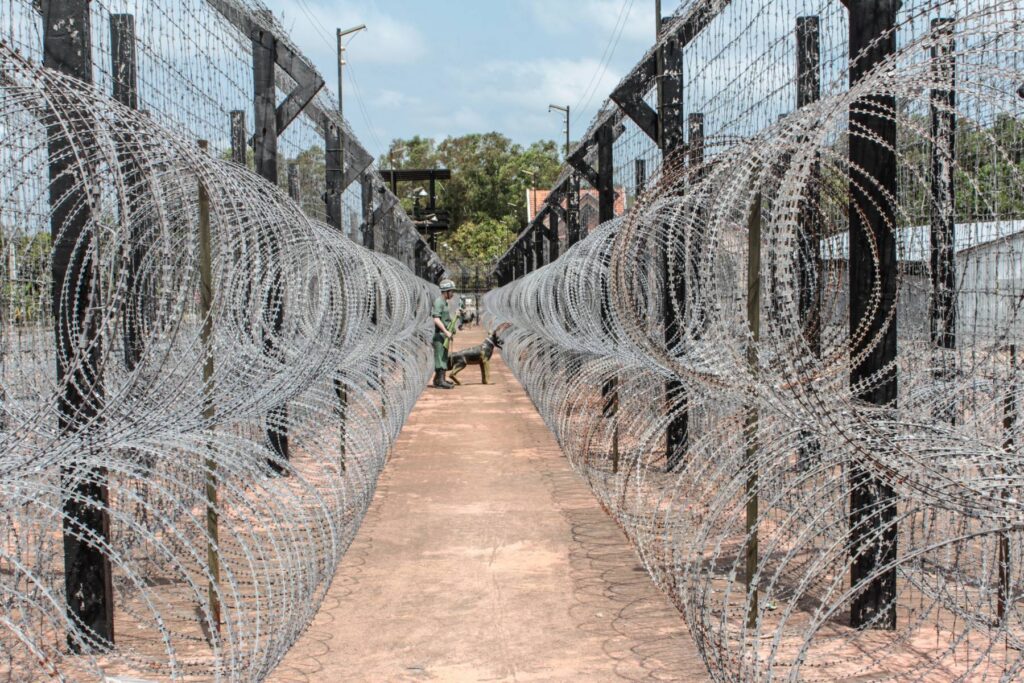
Image Credits: Pullman Phu Quoc Beach Resort
Also called Phu Quoc Prison, this war-era site is a sobering counterweight to the beaches. Built under French rule and expanded during the Vietnam War, it once held thousands of political prisoners. Today it’s a museum, with preserved cells, barbed wire and life-sized recreations of brutal conditions. Confronting but important, and worth an hour for anyone who likes their beach trip to come with some history.
Visit Ham Ninh fishing village
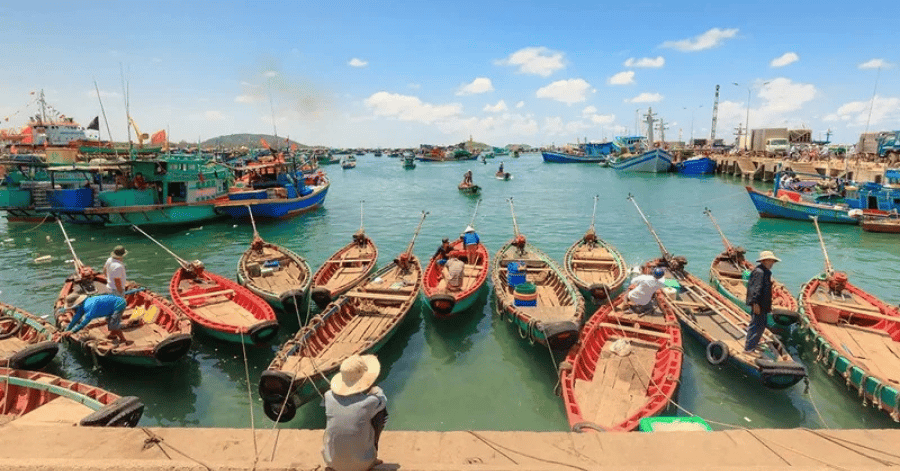
Image Credits: Vinpearl
One of Phu Quoc’s oldest communities, Ham Ninh is a cluster of wooden stilt houses stretching over the shallows on the east coast. Life moves slowly: fishermen mending nets, boats drifting in on the tide.
It’s best known for Ham Ninh crab, prized across Vietnam for its sweet meat, served at simple seaside spots just hours after it’s hauled in. Come for a slow morning and the crab, especially if you want a working side of the island away from the resorts.
Spot the starfish at Rach Vem
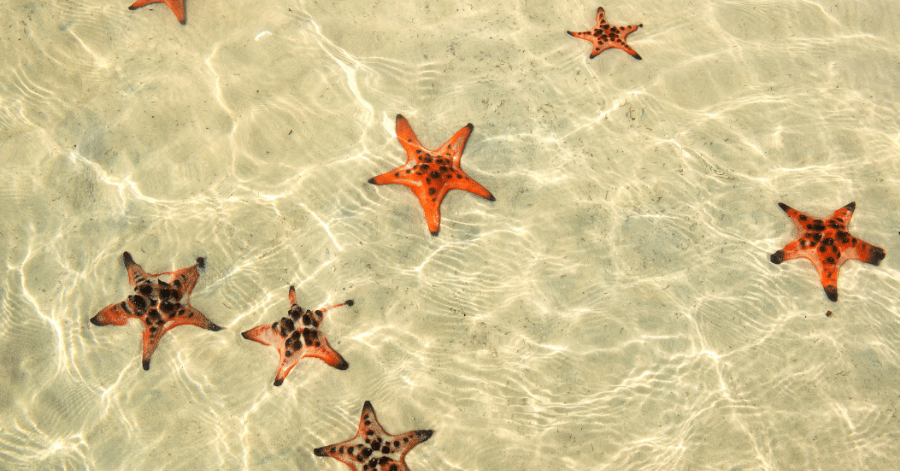
Up on the northern coast, Rach Vem (better known as Starfish Beach) has shallow, glassy water dotted with bright red starfish resting on the sand. Floating seafood restaurants line the shore. Getting there takes effort: a drive then a stretch of rough road, and the starfish really are the whole attraction, so set expectations accordingly. Look, photograph, but leave the starfish in the water.
Best for travellers already exploring the north who want a novelty stop. Not worth a special trip up from the south on its own.
Hike in Phu Quoc National Park
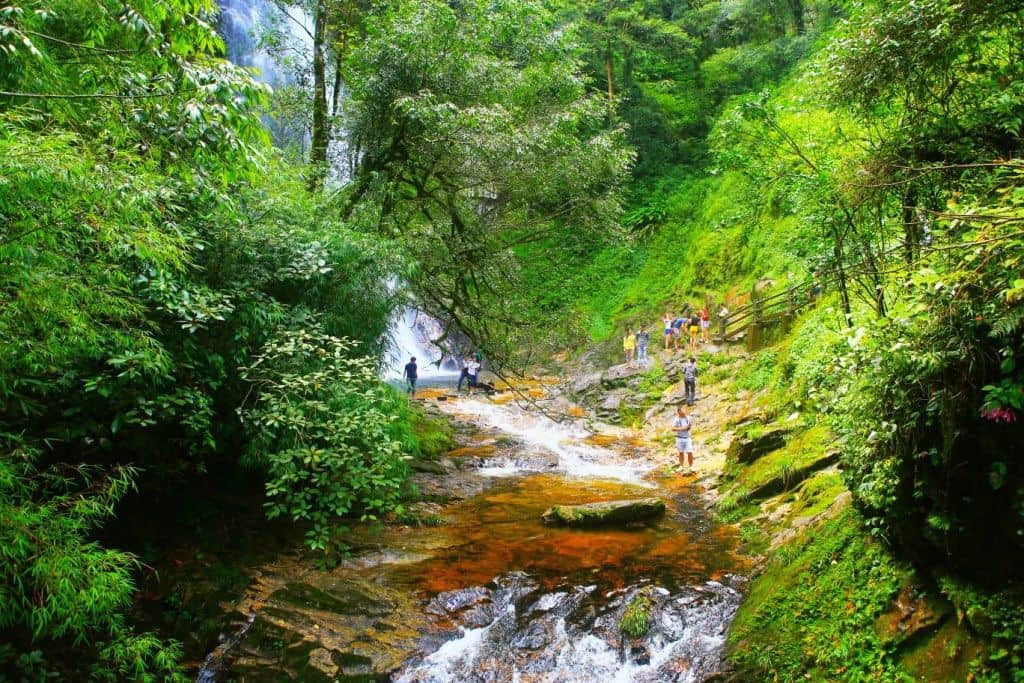
Image Credits: Vietnam Discovery Tours
Covering more than half the island, the national park is a UNESCO-listed biosphere reserve of dense jungle, streams and quiet trails. Routes climb towards Núi Chúa, the island’s highest peak at 603m, and on a clear day you can pick out the Cambodian coastline across the water.
It’s the antidote to the resort zones, best for anyone who wants a half-day of proper nature and a reminder of how much of the island is still wild.
Tour a fish sauce factory
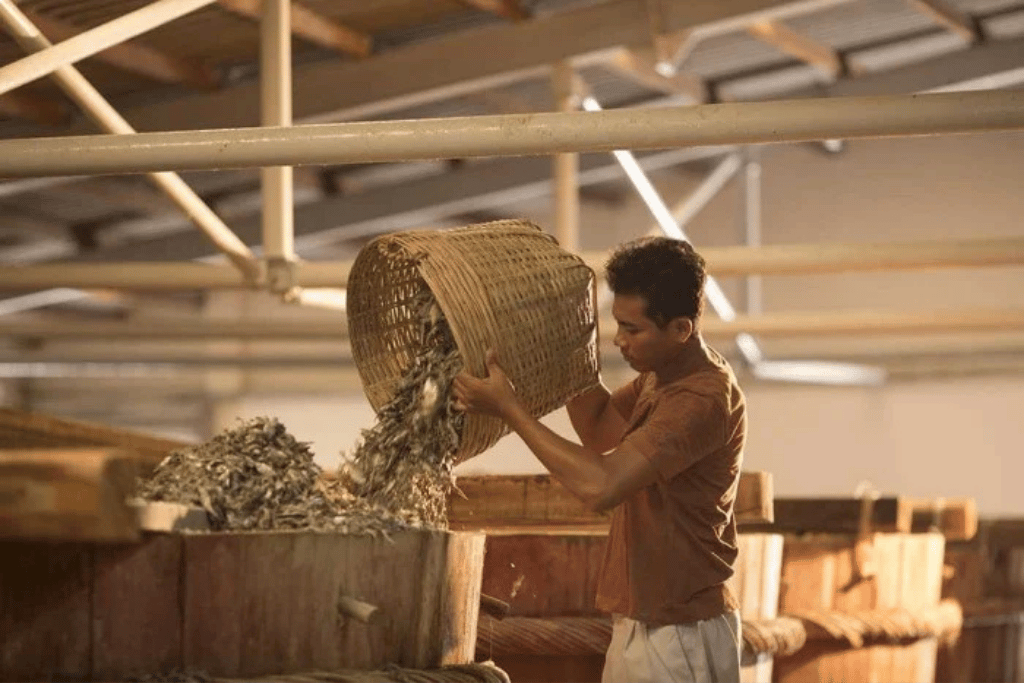
Image Credits: Vinpearl
Phu Quoc fish sauce is world-famous, protected by its own geographical-indication status: only sauce made on the island the traditional way can carry the name. Factory visits walk you past giant wooden barrels where anchovies ferment for up to a year, with a tasting at the end. Pungent and quick, it’s a good curiosity stop for food-minded travellers, and the bottles make a solid edible souvenir.
Taste the island’s pepper at a farm
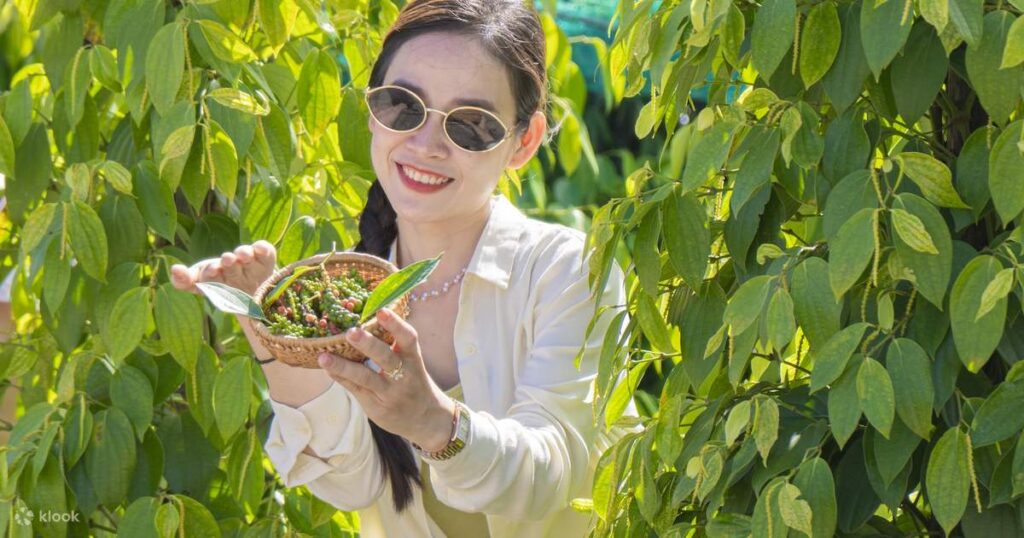
Image Credits: Klook
The red volcanic soil here grows some of Vietnam’s most aromatic pepper. Farm visits let you walk the plantations, see how it’s dried, and taste black and red varieties straight from the source before buying a bag. It’s a quick, cheap stop that pairs neatly with the fish-sauce factories on a northern loop.
Cool off at Suoi Tranh waterfall
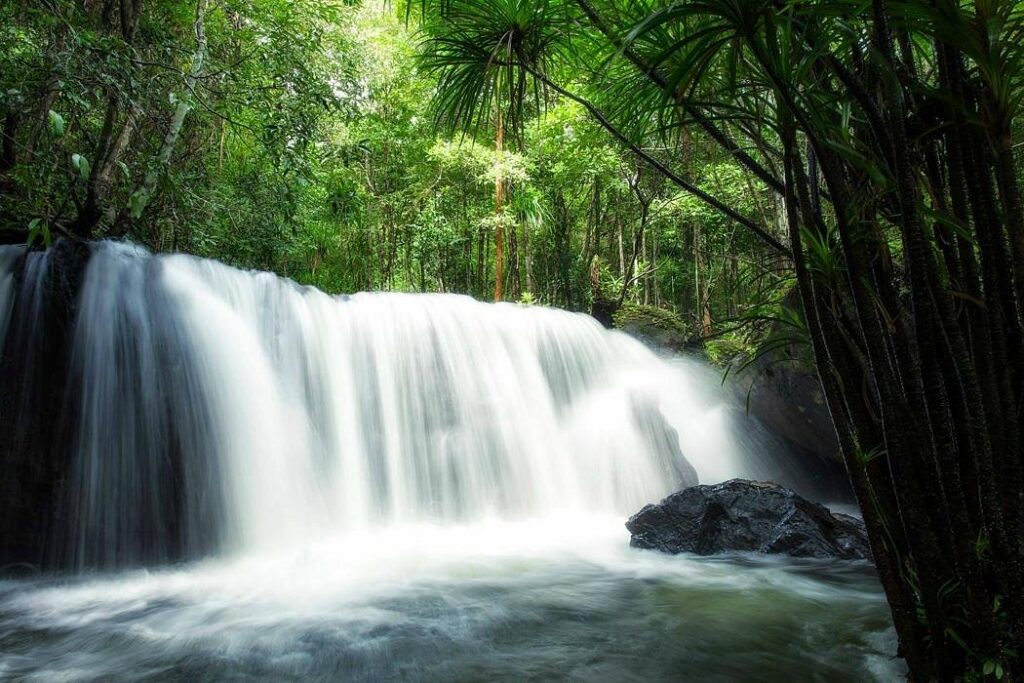
Image Credits: Tripadvisor
A short, easy walk through forest leads to Suoi Tranh’s rock pools and gentle cascades, a popular local picnic and swimming spot. It’s at its best in and just after the rainy season when the water’s actually flowing; in the dry months it can slow to a trickle.
Don’t expect a thundering cataract. The appeal is the shady forest and a cool inland dip, best for a hot afternoon when you fancy a break from saltwater.
Kayak the Cua Can River
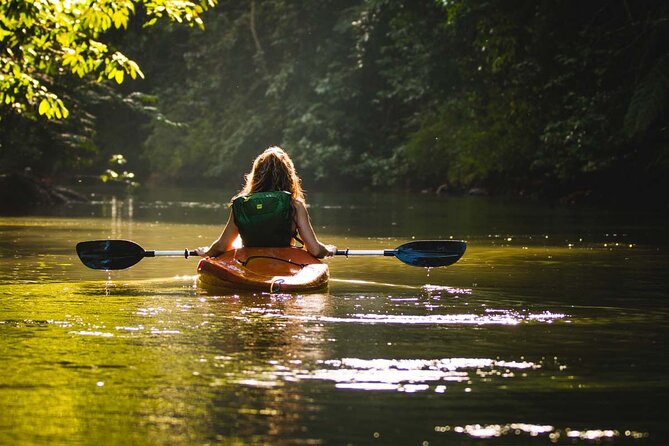
Image Credits: Tripadvisor
For a slower morning, paddle the Cua Can River as it winds through mangroves and past small fishing hamlets rarely seen by tour buses. Look out for kingfishers in the trees and village life along the banks. It’s one of the more peaceful ways to see a side of Phu Quoc that has nothing to do with theme parks. An easy win if you want a quiet half-day off the beach.
Explore Duong Dong, the real main town
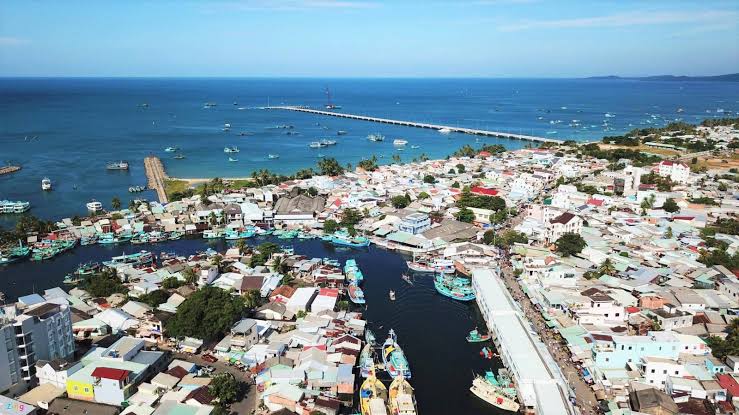
Image Credits: VinWonders
Skip the curated developments for an hour and head to Duong Dong, the island’s actual hub. This is where you’ll find the buzzing fruit and veg markets, the working harbour and the street food. It’s the “life is real again” feeling travellers describe after the eerily empty showpiece zones, and the easiest place to get a feel for everyday island life.
Related Guide: Chasing a different island packed with sights? Our 18 Best Things to Do in Penang is the closest weekend-trip equivalent from Singapore.
Best Beaches in Phu Quoc
The southern beaches are the island’s real showpiece: soft white sand, shallow turquoise water, and far fewer crowds than Phuket or Bali. These are the ones worth planning a day around.
Sao Beach
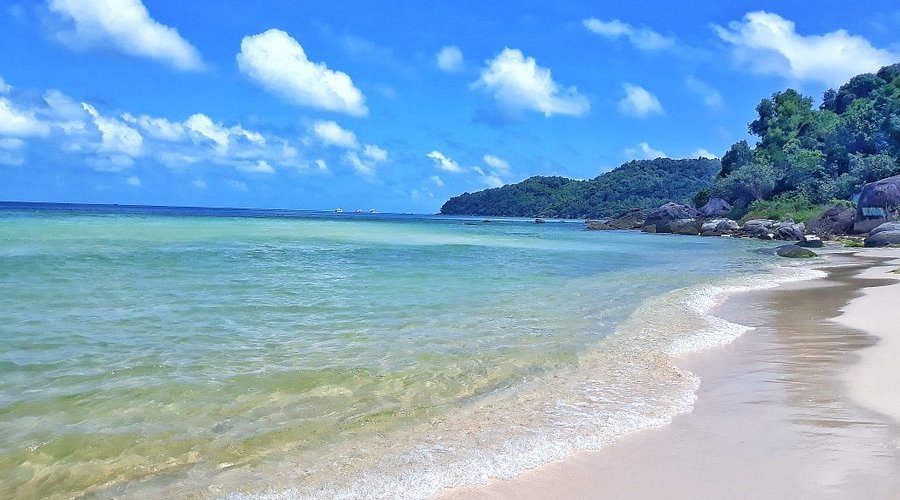
Image Credits: Tripadvisor
A crescent of soft white sand and calm, shallow water on the southeast coast, Sao is the beach that shows up on most Phu Quoc postcards. Come early: by midday the loungers fill, day-trippers arrive by the busload, and the far end can collect litter when the boats are in. A couple of beachside restaurants sit right on the sand, so you can swim, eat and laze without shoes.
Best for a postcard swim if you arrive before 10 AM. Worth the trip out for the morning, less so if you’ve only got the afternoon.
Khem Beach
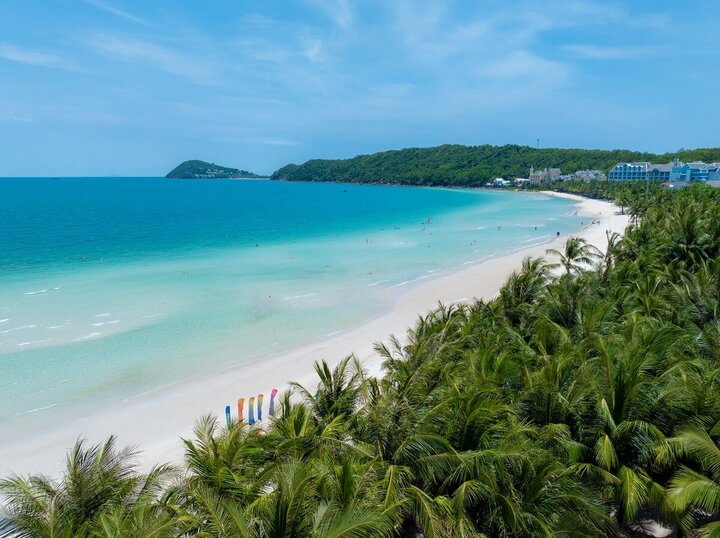
Image Credits: visitphuquoc
A short drive from Sunset Town, Khem Beach is repeatedly named the cleanest on the island. The sand is soft, the water clear and shallow enough to wade for ages, and a handful of resorts back it. It’s the easy, comfortable beach day if you’re based in the south and want sand without a long drive.
Long Beach
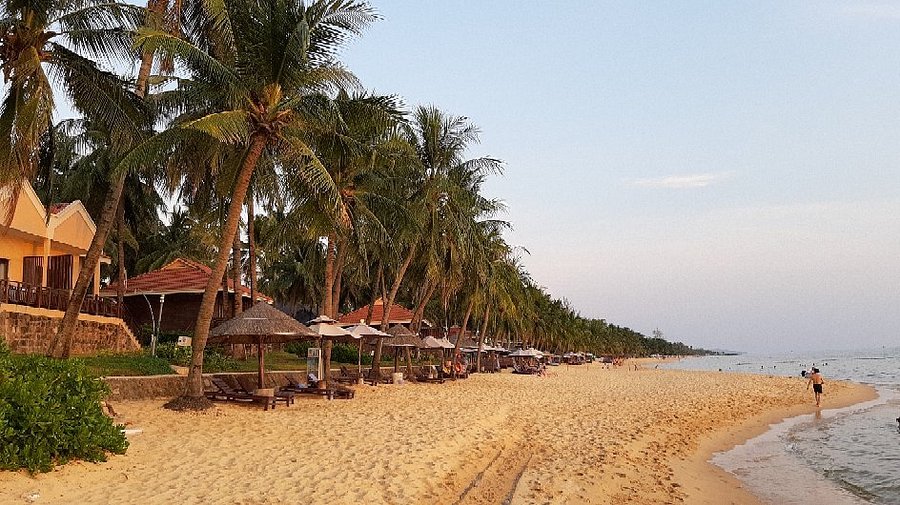
Image Credits: Tripadvisor
The island’s long western strip is the chill, accessible option, lined with restaurants and beach bars and great for sunset drinks. Worth being honest: cleanliness varies by season, so it can look pristine one month and gather debris another. Treat it as a sundowner spot more than a swimming beach, and it rarely disappoints.
Ong Lang Beach
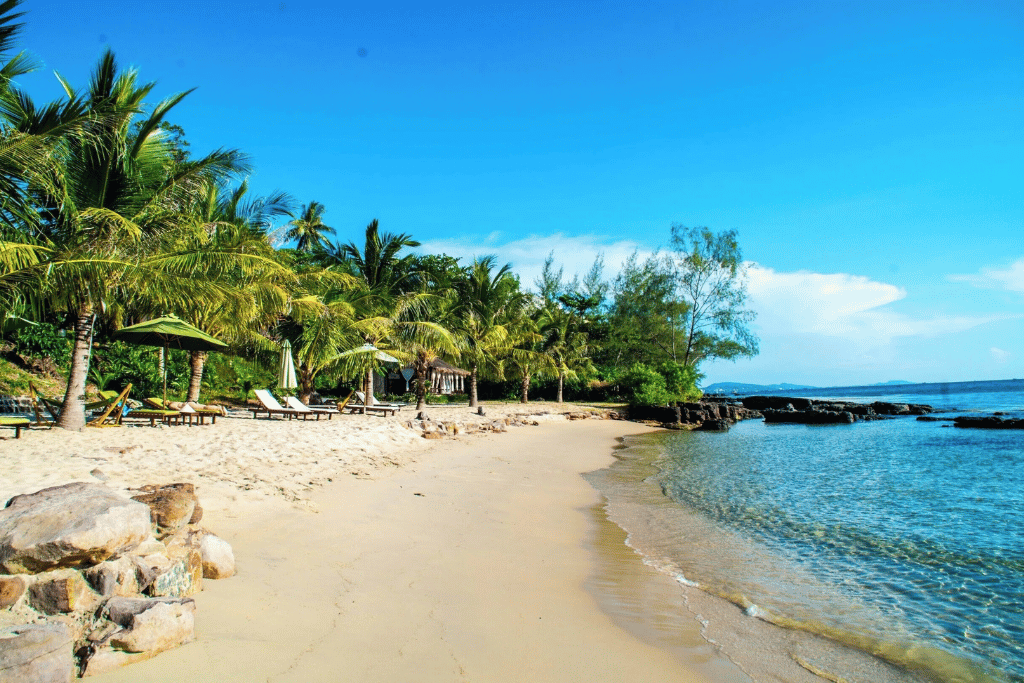
Image Credits: Expedia
Quieter and more secluded than Long Beach, Ong Lang sits a short drive north of town with calm water good for swimming and a relaxed, low-key vibe. Beachfront restaurants serve fresh seafood, and it’s one of the better spots to watch the sun drop without a crowd. Ideal if you want a beach day with the volume turned down.
Bai Bang Beach
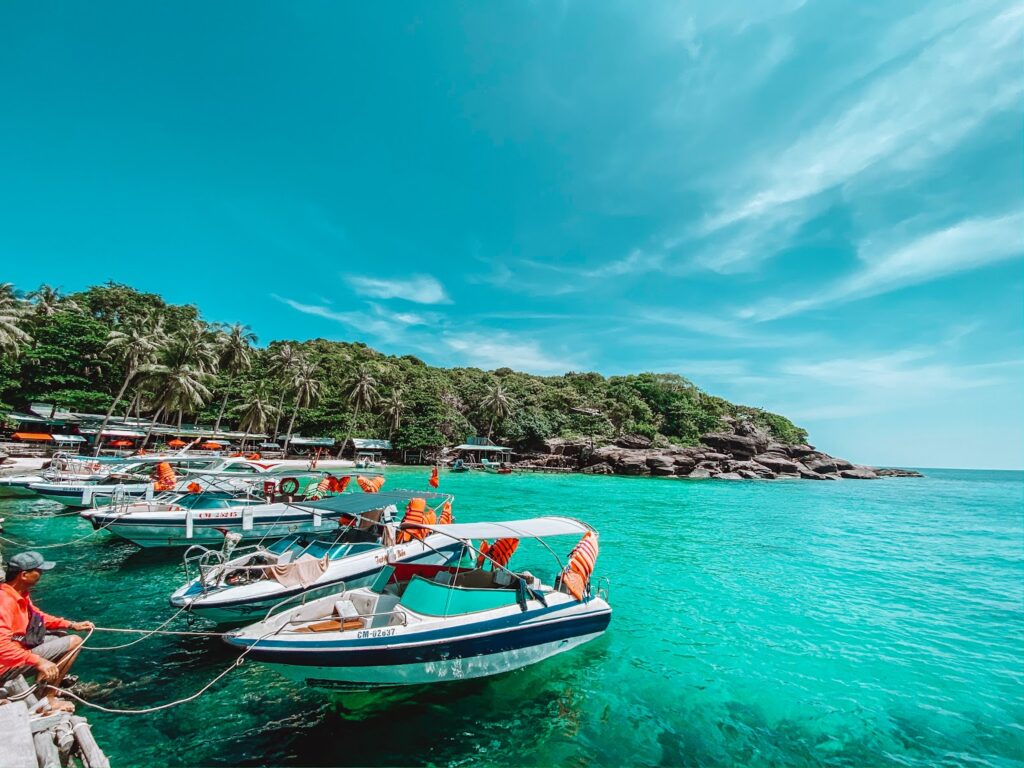
Image Credits: visitphuquoc
After water sports rather than a quiet swim? Bai Bang is the spot for jet skis, banana boats and windsurfing, with beach bars that come alive as the afternoon fades. The calm, clear water makes it beginner-friendly too, so it suits active days and groups more than a lie-down by the sea.
Related Guide: Comparing your beach options for a longer trip? Our Things to Do in Bali breaks down the other go-to island escape from Singapore.
Where to Eat and the Night Markets
Eat where the locals do, and Phu Quoc is gloriously cheap: fresh seafood, island specialities and strong coffee, most meals landing around S$3–6. The seafood is the main event, but the island has a couple of dishes you won’t find done the same way anywhere else.
Duong Dong Night Market
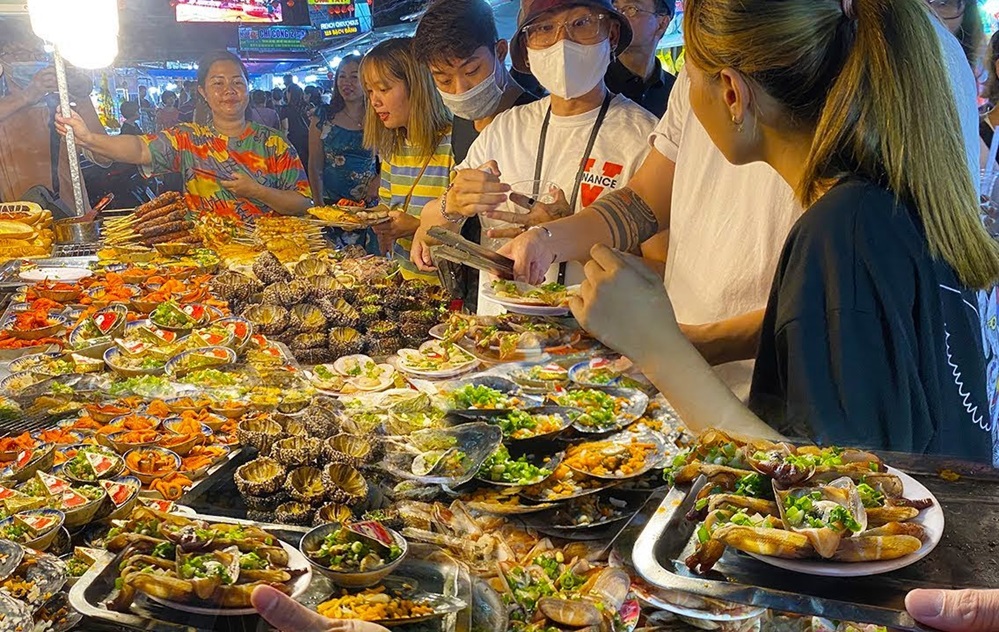
Image Credits: VinWonders
The busiest market on the island, the Duong Dong (Phu Quoc) Night Market is the place for dinner. Stalls grill squid, scallops, prawns and whole fish caught that day. There’s also Vietnamese pancakes, coconut ice cream served in the shell, and the odd adventurous bite like grilled octopus balls. Come hungry and graze your way down the strip, ideally on your first night to get your bearings on local prices.
Bun quay at Bun Quay Kien Xay
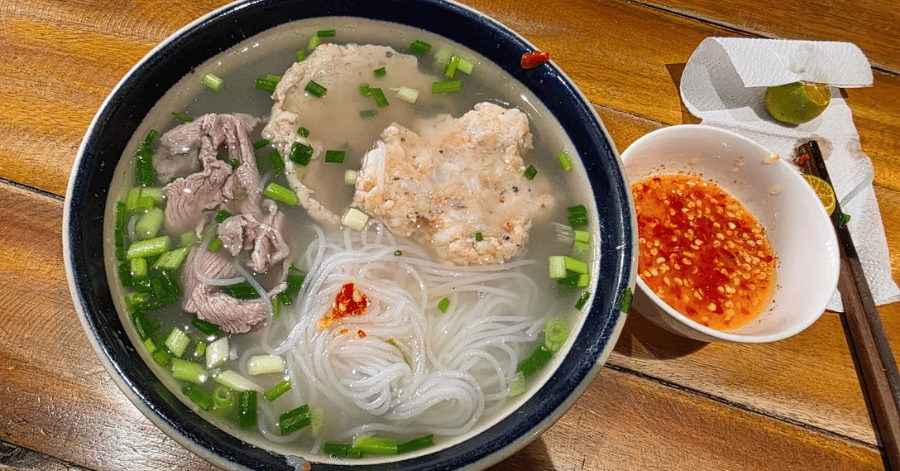
Image Credits: Minh Do on Google Reviews
Phu Quoc’s signature dish is bun quay, a seafood rice-vermicelli noodle bowl you season yourself with a DIY dipping sauce mixed at the table. Bun Quay Kien Xay is the spot travellers keep naming. It’s casual, cheap and exactly the kind of local meal that beats any resort buffet, best for travellers who want to eat the way the island actually eats.
Ham Ninh crab and seafood
Image Credits: 是叫婷婷不是停停啊 on rednote
For seafood at its freshest, the stilt-house restaurants out at Ham Ninh village serve crab, prawns, and fish pulled from the water that morning. The famous Ham Ninh crab, sweet and tender, is the order to make. Eating it with the harbour right under your feet is the whole point. Pair it with a morning at the fishing village rather than a special trip after dark.
Vietnamese coffee at a local café
Image Credits: I took a bite on rednote
Vietnamese coffee is brewed strong from robusta beans, which carry close to double the caffeine of the arabica in your usual cup, so go easy. Island cafés have leaned into creative versions (salted cream lattes, flan frappuccinos, the lot), and spots like Buddy Cafe get singled out for coffee that’s strong without being bitter. A good mid-afternoon reset between beaches.
Related Guide: Half these stalls have no English menu, so having mobile data to translate and scan QR menus matters. Our YouTrip eSIM guide covers getting online cheaply.
Phu Quoc With Kids
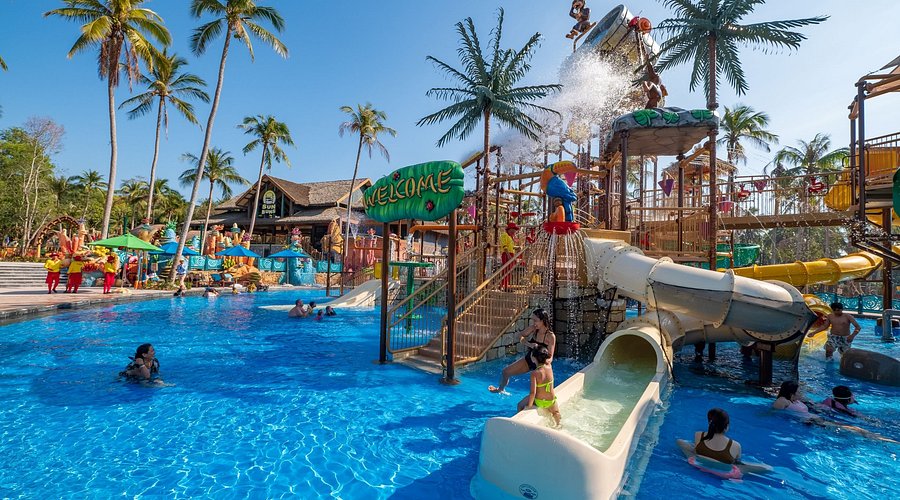
Image Credits: Tripadvisor
Phu Quoc is one of the easier Southeast Asian beach islands to do with children: short flight, shallow swimming beaches, and a cluster of big attractions built for families.
- VinWonders covers the rides and aquarium, Vinpearl Safari handles the animals, and Aquatopia at the end of the cable car is a full day of slides on its own. Grand World’s gondola ride and sculpture parks are an easy, low-effort afternoon for younger kids.
- Base yourself in the south near Kem or Sao Beach for the calmest, shallowest water. Keep the theme-park days spread out rather than back to back. And budget for a buggy or Grab between the bigger sites, since the parks are large and the island is spread out.
Related Guide: Travelling with the family? Sort cover first. Our Travel Insurance Singapore guide breaks down what actually matters for a beach trip.
Where to Stay in Phu Quoc
Where you base yourself shapes the whole trip, so choose by what you want. The island roughly splits into three zones, and the most common regret travellers share is staying in the wrong one.
- The south is resort country: Kem and Sao beaches, the cable car, Sunset Town. If you want a relaxed beach holiday where you barely leave the pool and sand, book a resort down here. The catch is that it’s a drive from the island’s everyday life.
- The mid-island and Duong Dong area is where the island actually breathes: real restaurants, markets, gyms and easy reach to both ends. Travellers who stayed in the photogenic developments and only later found Duong Dong almost all say the same thing. Base yourself near the real town, not the empty showpiece zones, and day-trip to the rest.
- The north (around Grand World) is worth visiting but thin on everyday life. Treat it as a day out rather than a base, unless a specific resort is your whole reason for going.
Related Guide: Prefer to have it all booked and bundled? Our Best Travel Agencies in Singapore guide covers who to use for a fuss-free package.
Is Phu Quoc Safe, and How Much Does It Cost?
Phu Quoc is very safe and very affordable. Travellers consistently describe it as relaxed and easy, with friendly locals and comfortable solo morning walks. Standard caution applies (watch your belongings in busy markets, lock your motorbike, swim where it’s not flagged dangerous), but there’s no special risk to flag.
On cost, this is where Phu Quoc shines for a Singapore wallet. A realistic daily picture:
| What | Typical cost | Roughly |
|---|---|---|
| Local meal | 50,000–120,000 VND | S$2.50–6 |
| Night-market dinner | ~150,000 VND | ~S$7 |
| Motorbike hire (per day) | 150,000–200,000 VND | S$7–10 |
| Grab car across the island | 200,000–400,000 VND | S$10–20 |
| VinWonders adult ticket | 950,000 VND | ~S$46 |
SGD equivalents based on ~20,600 VND = S$1.
Phu Quoc still runs heavily on cash, especially at markets, street stalls and smaller eateries, so you’ll want Vietnamese dong on hand. The smart way to get it isn’t a Changi money changer. Those quietly bake a markup of a few percent into the rate, wider at airport counters.
Land first, then withdraw dong from a local ATM with your YouTrip card. The first S$400 of overseas ATM withdrawals each calendar month is free, then it’s a flat 2%. It all runs at the wholesale exchange rate, with no markup on top.
For everything that does take card (resorts, bigger restaurants, the theme parks), tap your YouTrip card and pay 0% in foreign transaction fees. Each spend auto-converts from SGD to dong at the Mastercard wholesale rate.
One rule at the terminal: always pay in dong (VND), never Singapore dollars. Letting the machine convert for you (dynamic currency conversion) bakes in a worse rate every time.
For more on getting the most dong for your money, see our Vietnam ATM Withdrawal guide and the SGD to VND rate guide.
Phu Quoc FAQs
It’s roughly “foo-kwok” (the “Qu” is closer to a “kw” sound, not “kwock”). You’ll hear locals say it faster, but “foo-kwok” gets you understood.
Phu Quoc is best known as Vietnam’s “Pearl Island”, known for white-sand beaches, world-famous fish sauce, black pepper farms, and the record-breaking Hon Thom cable car. It’s the country’s largest island and its fastest-growing beach destination.
No, not for an island-only trip. Phu Quoc grants visa-free entry for up to 30 days to all nationalities arriving directly from outside Vietnam, as long as your passport is valid for six months. You’ll need a Vietnam e-visa only if you plan to visit the mainland.
It depends on what you want. Phu Quoc is quieter, cheaper and a shorter flight, which makes it great for a low-key beach reset or a family trip. Phuket wins on nightlife and polish; Bali wins on culture, surf and variety. For value and a fast escape, Phu Quoc is hard to beat.
Yes, though it takes a little planning. The island has a growing number of halal-friendly restaurants and Muslim-friendly resorts, and seafood is everywhere, but confirm with venues directly, as certification varies. Carrying mobile data to check reviews and maps on the go helps a lot.
Yes. Tap your YouTrip card at any card-accepting spot for 0% foreign transaction fees at the wholesale rate. You can also withdraw dong from local ATMs (first S$400 each month free, then 2%). Just always pay in Vietnamese dong, never Singapore dollars, to avoid a poor on-the-spot conversion.
Beautiful, cheap, and best beyond the showpiece towns
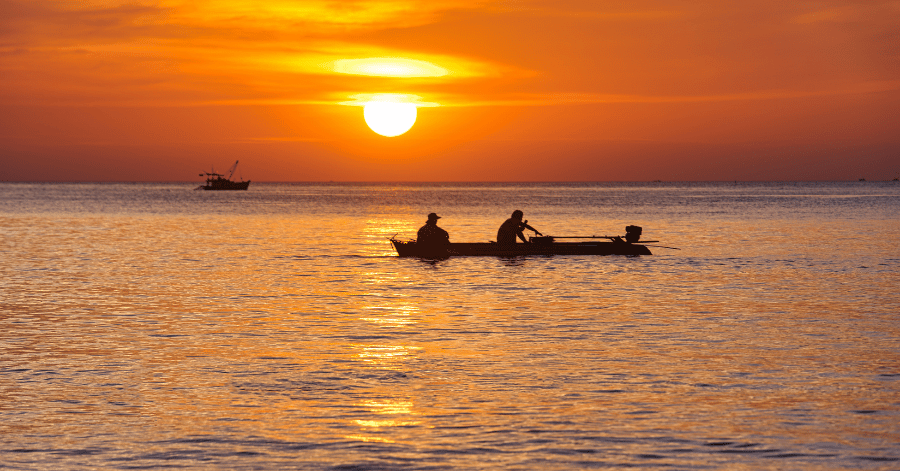
Phu Quoc rewards travellers who know where to point themselves. South for the beaches, out to the islands for the water, into Duong Dong for the food, and a couple of hours at the showpiece towns for the photos and the night show. Set your expectations there, and it’s one of the best-value beach trips going from Singapore.
Not a YouTrooper yet? Download YouTrip to spend overseas with no foreign transaction fees, hold and lock in 12 currencies, and use it across 150+ countries, perfect for a cash-light, card-friendly island like Phu Quoc. New users get FREE S$5 with code YTBLOG5 when you top up.
Join the YouTrip Perks programme, follow our Telegram channel for the latest deals, and swap tips with fellow YouTroopers in the community group. Safe travels!


The post Phu Quoc Travel Guide 2026: Things to Do + Tips appeared first on YouTrip Singapore.


You May Also Like

Fox News chief analyst rips into Trump for getting strung along on major issue

Pepe Price Prediction 2027: Breakdown vs Recovery Path