

Crypto ATM Crackdown Widens: More U.S. States Move to Restrict Machines Amid Fraud Surge
BitcoinWorld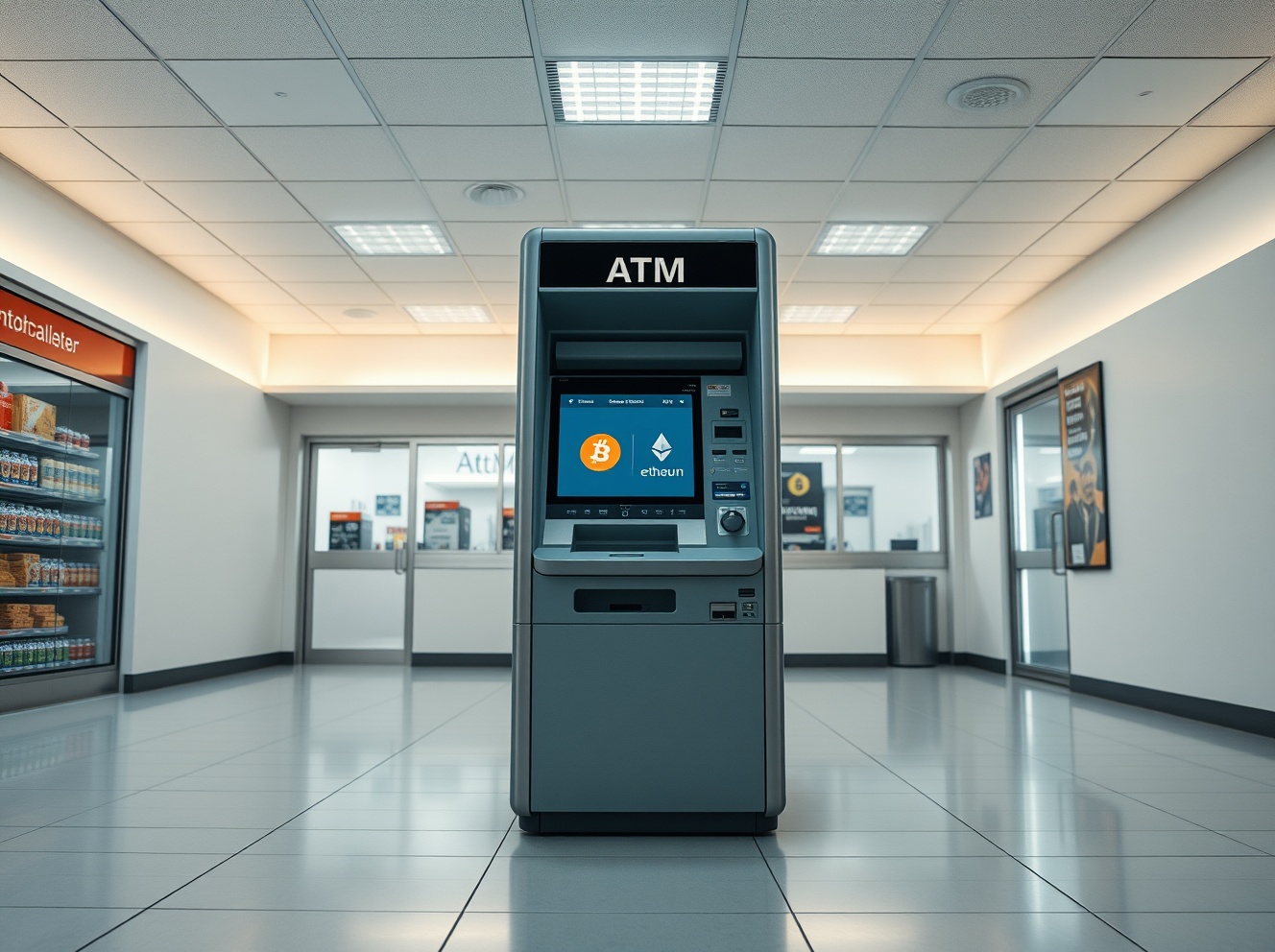
Crypto ATM Crackdown Widens: More U.S. States Move to Restrict Machines Amid Fraud Surge
The regulatory landscape for cryptocurrency ATMs in the United States is tightening rapidly. Following the lead of Tennessee and Georgia, which recently enacted laws to ban or severely restrict these machines, other states including Indiana and Minnesota are now pursuing similar legislation. The coordinated push is a direct response to a sharp increase in crypto transfer fraud that has targeted vulnerable consumers through these unregulated kiosks.
State-by-State Crackdown Gains Momentum
Tennessee and Georgia set a precedent by passing laws that impose strict operational limits on crypto ATMs, with some outright bans in certain jurisdictions. These measures were driven by reports of fraudsters using the machines to convert stolen cash into untraceable cryptocurrency, often preying on the elderly and less tech-savvy individuals. Indiana and Minnesota are now advancing their own bills, signaling a broader trend among state legislatures to treat crypto ATMs as high-risk financial instruments requiring stringent oversight.
Economic Pressures on Operators
The regulatory shift is not only legal but economic. Industry analysts point out that the once-lucrative business model for crypto ATM operators is eroding under the weight of compliance costs. Stricter standards, including mandatory identity verification, transaction limits, and reporting requirements, have significantly raised operational expenses. As more states impose these rules, the profit margins that previously attracted rapid expansion are shrinking, forcing some companies to scale back or exit certain markets entirely.
Why This Matters to Consumers
For everyday users, the expanding regulations aim to provide a safety net. Crypto ATMs have been a convenient entry point for buying digital currencies, but their lack of oversight made them a prime vehicle for scams. Authorities report that fraudsters often instruct victims to deposit cash into these machines under false pretenses, with little recourse for recovery. The new laws are designed to close this vulnerability, making it harder for criminals to exploit the system while preserving legitimate access for informed users.
Conclusion
The wave of state-level crypto ATM regulations marks a pivotal moment for the digital asset industry in the U.S. As Indiana and Minnesota join Tennessee and Georgia, the patchwork of laws is creating a more cautious environment for operators and a safer one for consumers. The trend reflects a broader maturation of cryptocurrency oversight, balancing innovation with the urgent need for fraud prevention.
FAQs
Q1: Why are states banning or restricting crypto ATMs?
States are acting to protect consumers from a surge in fraud. Criminals use these unregulated machines to convert stolen cash into cryptocurrency, often targeting vulnerable individuals through impersonation and investment scams.
Q2: Which states have enacted crypto ATM regulations so far?
Tennessee and Georgia have passed laws imposing bans or strict restrictions. Indiana and Minnesota are currently advancing similar legislation, with other states expected to follow.
Q3: How do these regulations affect crypto ATM businesses?
New compliance costs, including mandatory identity checks and transaction limits, are eroding the high-profit margins that previously made the business attractive. Many operators are scaling back or exiting regulated markets.
This post Crypto ATM Crackdown Widens: More U.S. States Move to Restrict Machines Amid Fraud Surge first appeared on BitcoinWorld.


You May Also Like

Bayern sign Morocco midfielder Saibari on five-year deal

68% of global BTC miners came from the U.S., Russia, and China, Q1 2026


