Overview
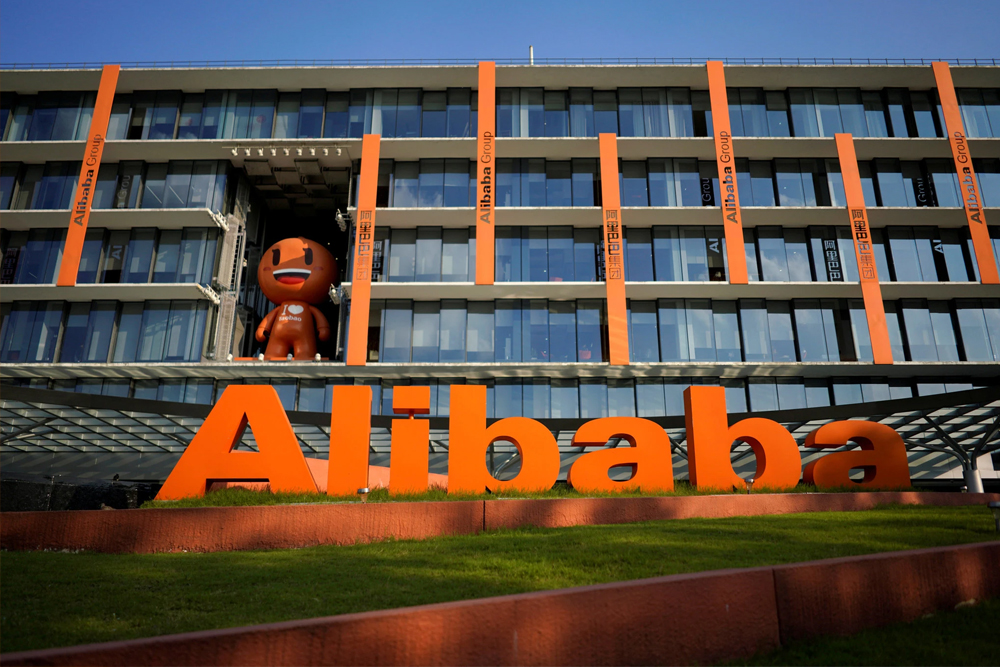
Alibaba Group Holding Limited (NYSE: BABA / 9988.HK) is scheduled to release its quarterly financial results before the opening bell on Thursday, August 20, 2026. On the eve of this pivotal earnings announcement, the Chinese technology titan has executed another landmark portfolio rationalization. According to reporting from
Reuters, Alibaba has entered into a definitive agreement to sell its gaming development studio, Lingxi Games, to Asia-based private equity firm Trustar Capital for a transaction value exceeding $2 billion. This divestment marks a decisive acceleration of Chief Executive Officer Eddie Wu's strategic mandate to trim peripheral entertainment holdings and channel capital into artificial intelligence infrastructure, Alibaba Cloud, and core domestic commerce. Global equity and digital asset market participants are closely evaluating how triple-digit AI revenue expansion, the rapid enterprise adoption of Qwen foundation models, and disciplined capital allocation will re-rate BABA stock.
Key Takeaways
More Than 2 Billion Dollar Lingxi Games Sale: As confirmed in
internal communications reported by Bloomberg News, Lingxi Games CEO Zhou Bingshu announced that Alibaba reached a formal agreement to transfer complete equity ownership to Trustar Capital, valuing the studio between $1.5 billion and more than $2 billion.
Aggressive Resource Reallocation to AI and Cloud: The divestiture represents a continuation of Alibaba's strategy to divest non-core physical retail and entertainment assets, funneling liquidity directly into next-generation AI clusters and data centers.
Earnings Targets for August 20: Consensus estimates compiled by
MarketBeat forecast quarterly revenue of approximately $39.52 billion alongside earnings per share of roughly $1.50, pointing to sequential fundamental stabilization.
Qwen Ecosystem Driving Cloud Expansion: Powered by the open-source Qwen3.8-Max model and enterprise integrations with companies like Apple and Tesla in China, Alibaba Cloud continues to deliver triple-digit year-over-year revenue expansion in AI-related workloads.
Capital Discipline Supporting Equity Floor: Robust operational cash generation, substantial ongoing share repurchases, and proceeds from non-core asset sales provide a resilient foundation for long-term shareholder returns.
Divestment of Lingxi Games and Strategic Pivot to Core Priorities
Trustar Capital Acquisition and Transaction Details
According to details reported by
Euronext and Reuters, Lingxi Games CEO Zhou Bingshu distributed an internal memo confirming the sale agreement with Trustar Capital, the private equity affiliate formerly known as CITIC Capital. Trustar manages over $9 billion in assets and possesses extensive operational experience across Asian digital and consumer sectors.
Lingxi Games, established in 2018, is globally recognized for developing the blockbuster strategy title Three Kingdoms: Strategy Edition in partnership with Japan's Koei Tecmo Holdings. The transaction involves transferring Alibaba's full equity stake to Trustar, with the existing studio leadership team remaining in place to manage ongoing game development and live operations.
Shift From Conglomerate Expansion to AI and Cloud Computing
The disposal of Lingxi Games reflects a systemic transformation in Alibaba's corporate philosophy. During past investment cycles, Alibaba built an expansive digital empire spanning streaming video, brick-and-mortar hypermarkets, cinema production, and mobile gaming.
Under the current management framework led by Eddie Wu, the group has established two overriding priorities: user-centric e-commerce and AI-driven technology. As documented on
Alibaba's Investor Relations platform, the company is systematically shedding non-core assets to optimize its return on invested capital and direct capital expenditures toward artificial intelligence computing clusters.
Earnings Expectations Ahead of the August 20 Release
Consensus Revenue and Earnings Per Share Targets
Institutional equity analysts are preparing for the upcoming earnings print on Thursday morning. According to data published by
Investing.com, consensus estimates project adjusted earnings per share of approximately 10.46 RMB ($1.50) on total quarterly revenues of roughly 268.86 billion RMB ($39.52 billion).
Following several quarters of estimate revisions across Chinese internet equities, institutional expectations have stabilized, creating an asymmetric setup where fundamental execution can spark positive valuation momentum.
Taobao and Tmall Group Monetization and E-Commerce Defense
Within the core domestic retail segment, investors will closely analyze monetization rates across Taobao and Tmall Group. The implementation of AI-driven full-site marketing tools and automated recommendation algorithms has steadily increased advertising efficiency for platform merchants.
By defending its gross merchandise value baseline and optimizing operating margins, the core commerce engine continues to generate the robust free cash flow required to fund intensive AI research and development programs.
Alibaba Cloud and Qwen Foundation Models Fueling AI Monetization
As China's dominant cloud computing provider,
Alibaba Cloud stands at the center of the regional generative AI wave. Over consecutive quarters, revenue generated from AI-related infrastructure, including proprietary model hubs, GPU clusters, and elastic high-performance computing, has surged by triple-digit percentages year over year.
To support this demand, Alibaba Cloud has accelerated the deployment of modular data center architecture globally, reducing construction timelines to approximately 100 days while lowering capital deployment costs by nearly 10 percent.
Ecosystem Expansion Across Automotive and Consumer Tech Deployments
In the foundation model ecosystem, Alibaba's proprietary Qwen family has emerged as one of the most capable open-source large language models worldwide. The latest iteration, Qwen3.8-Max, demonstrates state-of-the-art benchmark results in logical reasoning, mathematics, and code generation.
Monetization pathways are rapidly expanding through enterprise integration. Apple has moved to connect Qwen models to Siri and productivity tools for Mac users in China, while Tesla has been beta-testing Qwen algorithms for in-vehicle voice recognition and localized navigation. By pairing open-source community adoption with enterprise API subscriptions, Alibaba is establishing recurring high-margin software revenue streams.
Capital Allocation Discipline and Balance Sheet Efficiency
Aggressive Share Buyback Execution and Shareholder Returns
Alibaba remains among the most active tech conglomerates in returning capital to shareholders through open-market equity repurchases. The company has retired hundreds of millions of shares over the past two fiscal years, consistently enhancing per-share metrics.
The anticipated cash proceeds exceeding $2 billion from the Lingxi Games transaction will further reinforce Alibaba's net cash reserves, ensuring sufficient balance-sheet liquidity to sustain aggressive buybacks, dividend distributions, and strategic AI infrastructure acquisitions.
Cross Asset Liquidity and Modern Derivatives Market Activity
As traditional tech equities undergo AI-driven valuation resets, cross-asset capital flows between equity benchmarks and digital financial markets continue to accelerate. On major international multi-asset platforms such as
MEXC, institutional and retail market participants utilize versatile derivative instruments to manage macro liquidity shifts and hedging strategies.
Strategic Headwinds and Forward Looking Risk Factors
Despite structural progress, macro headwinds remain a key variable for long-term investors. A measured pace of domestic retail spending recovery could temper gross merchandise volume growth across mainstream e-commerce platforms.
Simultaneously, competitive pressure from rivals such as PDD Holdings and ByteDance's Douyin e-commerce necessitates continued promotional spending and merchant support subsidies, which could periodically compress quarterly operating margins.
AI Capital Expenditure Return on Investment Timelines
Developing cutting-edge foundation models and expanding hyperscale data centers requires substantial multi-year capital investment. Although cloud revenues are accelerating, the high cost of specialized semiconductor procurement and power infrastructure demands substantial upfront cash outlays.
If enterprise deployment of generative AI tools progresses at a slower pace than anticipated, cloud infrastructure providers could face elevated depreciation and amortization expenses that temporarily weigh on aggregate profitability.
Exclusive View from James Mitchell
From a quantitative market structure and capital allocation perspective, Alibaba's planned divestiture of Lingxi Games for over $2 billion represents an essential unwind of the conglomerate discount that has weighed on the stock for years. Institutional asset allocators consistently penalize diversified holding structures that dilute capital across unrelated business units. By carving out peripheral gaming operations and directing liquidity into AI compute and proprietary foundation models, Alibaba is executing a textbook corporate restructuring that sharpens its competitive focus.
Technically, BABA stock has staged an accumulation base leading into the August 20 earnings print. With consensus expectations having reset significantly over the past 12 months, the risk-reward profile skews favorably toward mean reversion if cloud margins show tangible operating leverage. However, technical discipline dictates that share buybacks and asset sales provide only an equity floor; the engine that must power a sustainable multiple expansion is the acceleration of public cloud monetization derived from Qwen software licensing and enterprise API subscriptions.
This operational transition offers profound insights for the cryptocurrency and decentralized infrastructure ecosystem. Alibaba's strategy of establishing Qwen as an open-source standard mirrors the network effects seen in public blockchain protocols, where developer adoption precedes high-margin infrastructure monetization. For multi-asset portfolio managers, the forward guidance provided during the August 20 earnings call regarding cloud capital expenditure plans, AI revenue share, and further non-core divestments will serve as a primary sentiment bellwether for technology assets across Asia. Active traders should watch options implied volatility post-earnings and look for sustained volume expansion above key moving averages before establishing directional breakout positions.
FAQ
Why is Alibaba selling Lingxi Games for over 2 billion dollars?
Alibaba is divesting Lingxi Games as part of its strategic commitment to focus capital and management resources on its core priorities: e-commerce and AI cloud computing. Selling the gaming studio to private equity firm Trustar Capital allows Alibaba to unlock liquidity, reduce conglomerate bloat, and redeploy capital directly into high-growth artificial intelligence infrastructure.
When will Alibaba release its latest quarterly earnings report?
Alibaba Group is scheduled to publish its quarterly financial results before the US market opens on Thursday, August 20, 2026. Management will host an earnings conference call at approximately 7:30 AM Eastern Time to discuss operational performance, AI commercialization, and forward financial guidance.
What are the main consensus expectations for the August 20 earnings release?
Wall Street consensus estimates forecast quarterly revenue of approximately $39.52 billion alongside adjusted earnings per share of roughly $1.50. Key areas of investor focus include Taobao and Tmall monetization rates, competitive dynamics in domestic e-commerce, and the year-over-year revenue expansion rate of Alibaba Cloud's AI products.
Alibaba's open-source Qwen models have achieved widespread global adoption, with the flagship Qwen3.8-Max rivaling top international frontier models. Monetization is expanding through enterprise subscriptions on Alibaba Cloud, proprietary API deployments, and high-profile integrations with ecosystem partners such as Apple and Tesla in China.
Will the sale to Trustar Capital disrupt Lingxi Games ongoing titles?
No significant disruption is expected. According to an internal memo from Lingxi Games CEO Zhou Bingshu, the existing studio leadership team will remain in place post-acquisition to ensure continuous operational support, updates, and development for flagship games such as Three Kingdoms: Strategy Edition.
What key metrics should investors watch following the earnings announcement?
Investors should monitor the percentage growth rate of AI-driven cloud revenues, management guidance regarding annual capital expenditure for data centers, the execution pace of the corporate share buyback program, and operating margin resilience within the core domestic e-commerce division.
Disclaimer
This document and all associated commentary, financial metrics, market insights, and technical analyses are intended strictly for educational and informational purposes and do not constitute financial advice, investment recommendations, legal counsel, tax guidance, or trading endorsements. Equities, digital assets, and derivative instruments involve substantial financial risk and may experience extreme price volatility. Past operational performance, statistical indicators, and quantitative models do not guarantee future market outcomes. Market participants must perform independent due diligence and evaluate all investment decisions based on their individual financial situation, objectives, and risk appetite. The MEXC Crypto Pulse team disclaims all legal liability for any direct, indirect, or consequential losses resulting from reliance on the information provided herein.
About the Author
James Mitchell specializes in technical analysis, market trends, and trading strategies for both Bitcoin and altcoins. Based in London, he has over 10 years of experience in financial markets. Before joining MEXC Learn, James worked as a senior analyst at a leading European investment firm, where he developed expertise in risk management and quantitative trading. His transition to cryptocurrency markets began in 2017, and he has since become recognized for his data-driven approach. He holds a Master's degree in Financial Economics from the London School of Economics. His analytical approach combines traditional technical analysis with on-chain metrics to provide readers with actionable insights.
Areas of Expertise:
Research References